
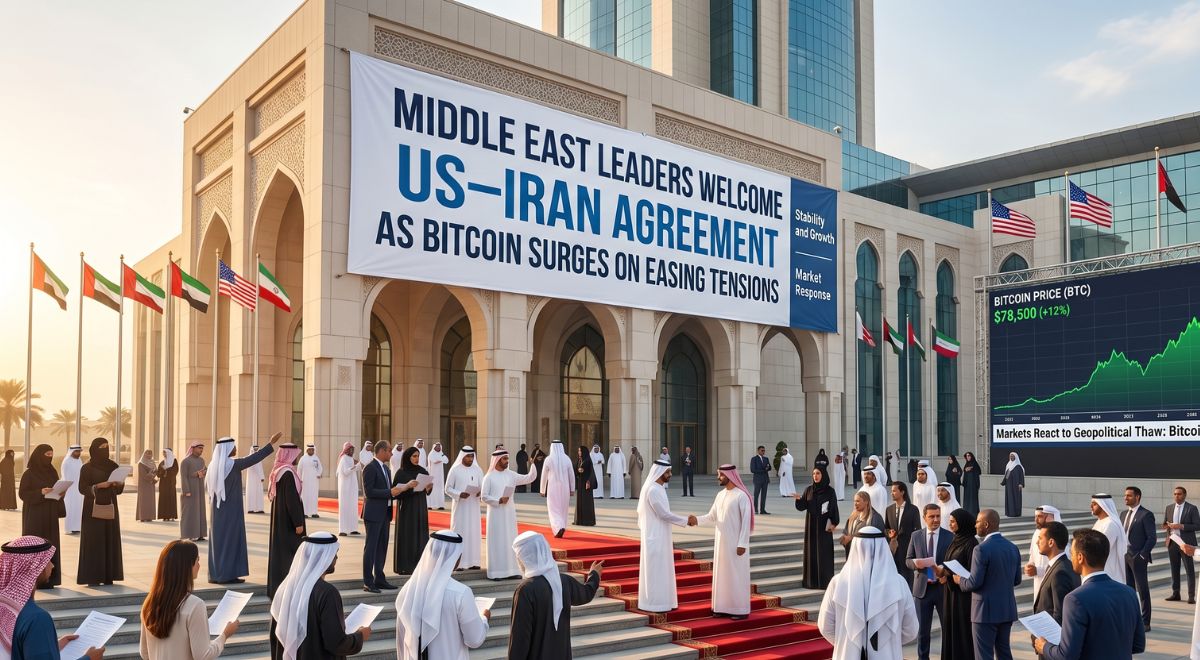
The United States and Iran have signed a memorandum of understanding (MOU) on June 14 aimed at halting military operations between the two countries, a development that drew rapid approval from Middle Eastern leaders and lifted sentiment across global crypto markets.
Bitcoin rose toward $64,000 as traders responded to signs of geopolitical de-escalation and improved risk appetite in financial markets.
Agreement outlines initial de-escalation steps
The MOU, endorsed by U.S. President Donald Trump and Iranian diplomatic representatives, sets out several immediate measures. These include the lifting of the U.S. naval blockade on Iranian ports and the reopening of the Strait of Hormuz — a critical global shipping route that carries roughly one-fifth of the world’s oil supply.
A formal signing ceremony is expected on June 19 in Switzerland. The agreement follows roughly four months of rising tensions that began in late February 2026.
Regional actors have also played a supporting role in the diplomatic process. Shehbaz Sharif endorsed the framework, with Pakistan and Qatar positioned as facilitators for upcoming negotiations. Those talks, expected within 60 days of implementation, will focus on longer-term issues including Iran’s nuclear program.
Lebanon’s President Joseph Aoun was among the first regional leaders to publicly welcome the announcement, calling it a step toward reducing escalation across the region, including Lebanon. Officials in Qatar also expressed support, consistent with Doha’s established diplomatic mediation role in Gulf affairs.
Crypto markets react to easing tensions
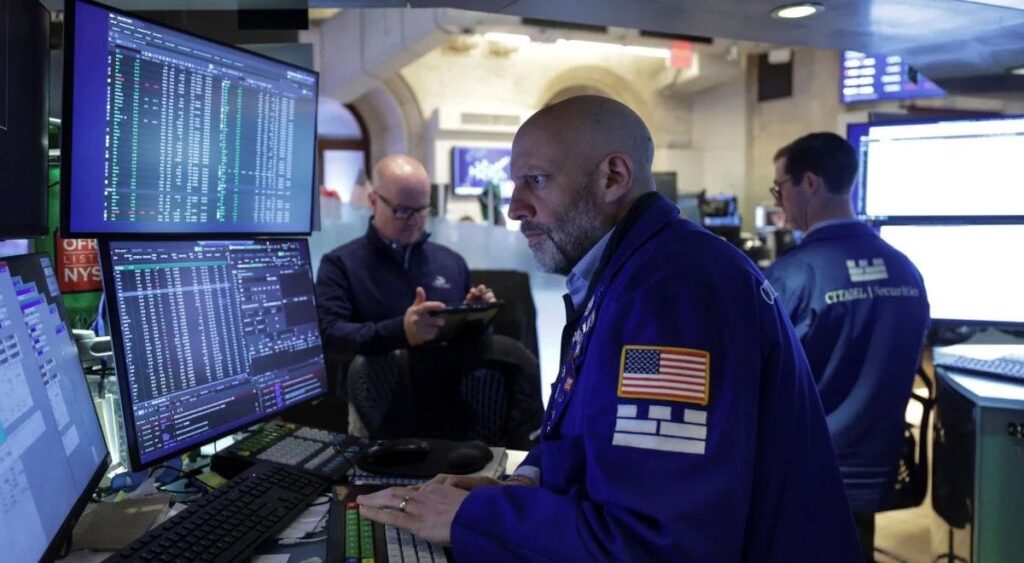
The rally in digital assets, including Bitcoin, reflects a broader shift toward risk-on sentiment following the announcement. Oil prices edged lower, with expectations that a fully reopened Strait of Hormuz would improve global supply flows and ease energy market pressures.
Analysts also point to potential financial implications, including estimates that up to $24 billion in Iranian assets could be unlocked as part of broader sanctions relief discussions linked to the agreement’s rollout.
Crypto prediction markets had already begun pricing in a higher probability of a diplomatic breakthrough in the days leading up to the announcement.
Investors remain focused on follow-up negotiations
Despite the positive reaction, the MOU remains an interim framework rather than a comprehensive peace deal. It primarily addresses immediate military de-escalation while deferring complex issues such as nuclear negotiations, sanctions policy, and regional proxy conflicts.
The next 60 days will be critical, as follow-up talks — mediated by Pakistan and Qatar — begin to shape the longer-term structure of U.S.–Iran relations. Their involvement introduces regional intermediaries with direct economic and political ties to Tehran, potentially reshaping traditional diplomatic channels.
If implemented as planned, the lifting of naval restrictions could significantly reduce uncertainty in global shipping routes. Markets for insurance, energy, and commodities are expected to closely monitor developments around the Strait of Hormuz in the weeks ahead.