
Rising fuel prices linked to the Middle East conflict are putting pressure on households in Fiji, prompting residents of the Pacific island nation to consider solar power as an alternative to expensive imported energy.
In Rukurukulevu, a settlement of around 400 people, the final building to receive electricity was a kindergarten that was connected to the grid earlier this year. However, as energy costs continue to climb, residents are increasingly concerned about the affordability of keeping their homes and community facilities powered.
The situation highlights Fiji’s dependence on imported fossil fuels and the growing need to develop renewable energy sources across the resource-constrained island nation.
Rising Electricity Bills Strain Households
Village spokesman Vereniki Nalio said electricity bills had become a significant financial burden for residents, with some households paying more than FJ100(approximatelyUS44) each month.
Community facilities face even higher costs. According to Nalio, the village church, community halls and the church minister’s residence receive monthly electricity bills ranging from around FJ200tonearlyFJ300.
Nalio said his own monthly electricity bill of approximately FJ$60 was already expensive, reflecting the wider challenges residents face as energy costs rise.
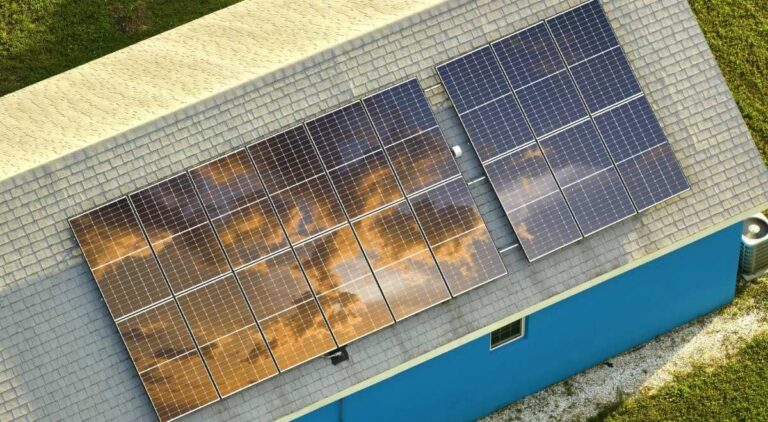
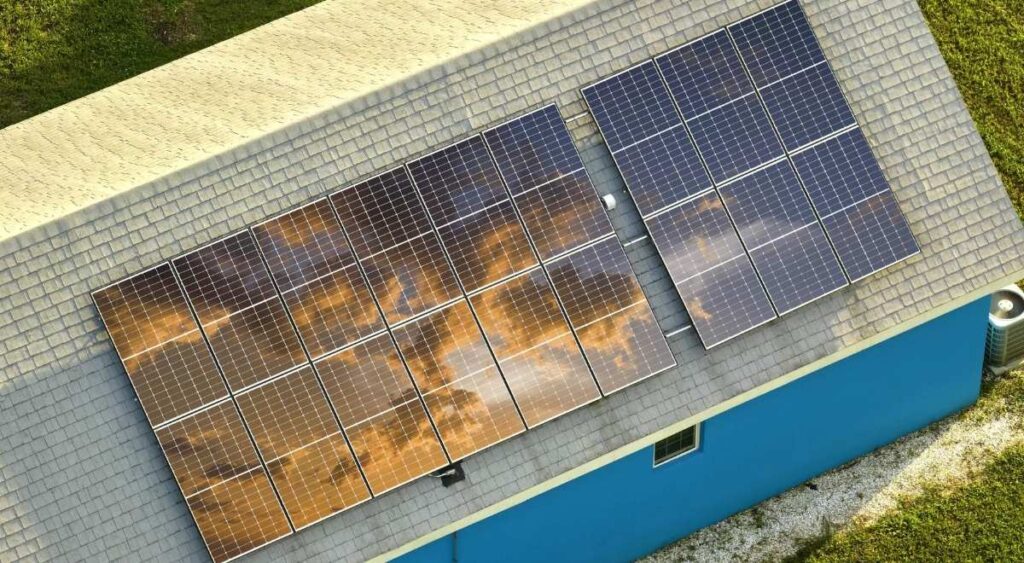
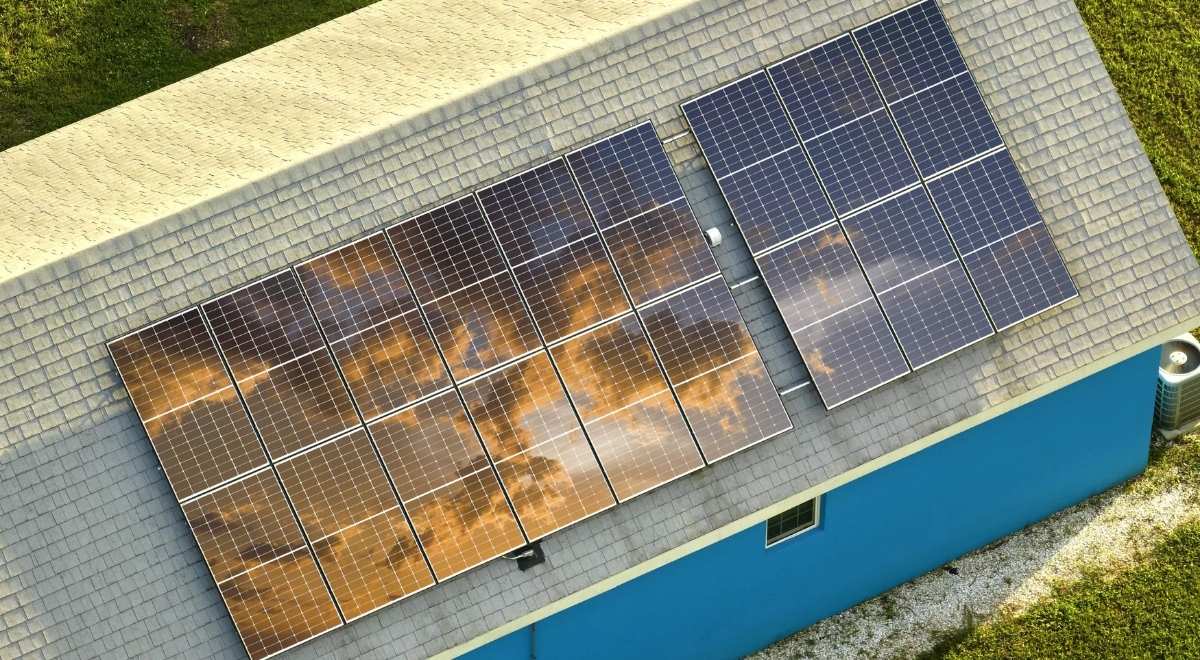
Across the village, some households have begun installing solar panels in an effort to reduce their reliance on the conventional electricity grid.
Middle East Conflict Highlights Energy Vulnerability
The global energy squeeze has intensified since the United States and Israel attacked Iran in February, disrupting fuel shipments from the Gulf and adding pressure to international energy markets.
For Fiji, which relies heavily on imported fuel to meet its energy needs, the disruption has renewed concerns about the long-term affordability and security of its electricity supply.
Nalio said reports of fuel shortages and uncertainty over future petrol shipments had encouraged villagers to explore solar energy as a more sustainable alternative.
“They said we had no more fuel, no more petrol would come to Fiji. So at that time we think about solar,” he said.
Solar Power Offers a Long-Term Alternative
Despite the potential savings, the initial cost of installing solar power remains a challenge for many households. A basic solar system costs approximately FJ$3,000, representing a substantial upfront investment for families already dealing with high living expenses.
However, solar installations could reduce dependence on grid electricity and provide a longer-term source of power without recurring fuel costs, although maintenance, equipment replacement and installation expenses would still need to be considered.
Solar panels are already visible on several homes in Rukurukulevu, illustrating the growing interest in alternative energy solutions.
The village is also considering installing solar systems on communal buildings, allowing residents to share the costs and reduce the financial burden of powering facilities used by the wider community.
Fiji’s Renewable Energy Opportunity
For island communities such as Rukurukulevu, expanding renewable energy could help reduce exposure to international fuel price fluctuations while strengthening local energy security.
Solar power offers particular potential in remote settlements where dependence on imported fuels can make electricity expensive and vulnerable to supply disruptions. However, wider adoption will depend on access to affordable equipment, financing and reliable installation and maintenance services.
Pointing to the sky, Nalio questioned why the village should continue importing energy when sunlight is readily available.
“Solar is already here,” he said.
His remarks capture a growing interest in renewable energy as Fiji and other island nations look for ways to manage rising energy costs and reduce their dependence on imported fossil fuels.