
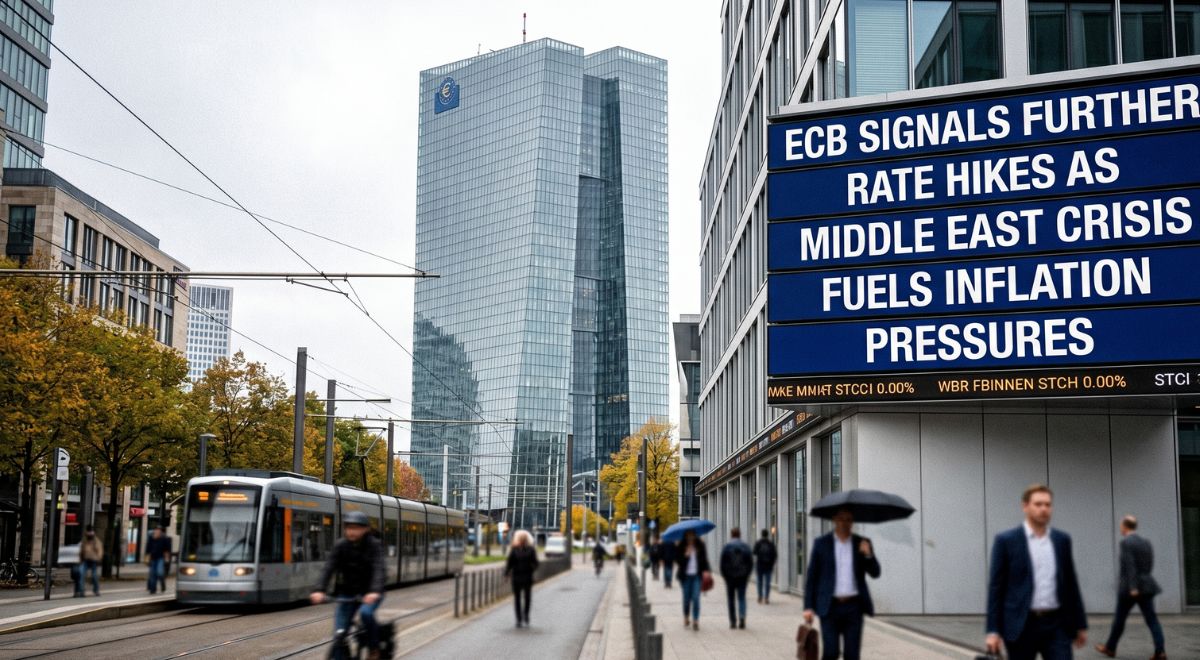
The European Central Bank (ECB) is preparing for additional monetary tightening after raising its key deposit facility rate by 25 basis points to 2.25% on June 11, responding to mounting inflationary pressures linked to escalating tensions in the Middle East.
Eurozone inflation climbed to 3.2% in May 2026, marking its highest level in more than two and a half years. Financial markets are now pricing in around 70 basis points of further rate increases before the end of the year, reflecting expectations that policymakers will maintain a hawkish stance in the face of persistent price pressures.
Conflict-Driven Inflation Reshapes ECB Policy
The ECB’s policy shift follows a dramatic change in the global economic landscape. After spending much of the past two years easing monetary policy, the central bank has been forced to reverse course as geopolitical tensions intensified.
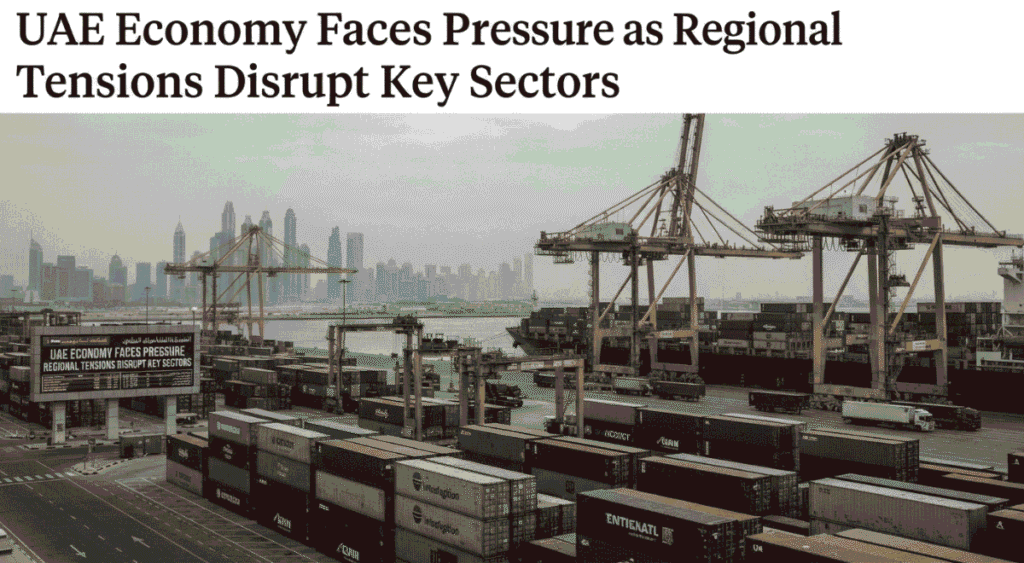
The turning point came in late February when coordinated military operations by the United States and Israel against Iran triggered a broader regional conflict. The situation escalated into missile exchanges and severe disruptions to shipping through the Strait of Hormuz, a critical route responsible for transporting nearly one-fifth of global oil supplies.
The resulting surge in energy prices has pushed inflation higher across Europe, prompting the ECB to revise its outlook. The central bank now expects inflation to average 3.0% in 2026 before easing to 2.3% in 2027 and eventually returning to its 2.0% target by 2028.
ECB President Christine Lagarde said the June rate increase was based on multiple scenarios assessing the potential economic impact of the conflict. Meanwhile, ECB Executive Board member Isabel Schnabel had already signaled support for tighter policy in May, allowing markets time to adjust expectations.
Tighter Liquidity Raises Risks for Financial Markets
The ECB’s renewed focus on combating inflation is expected to tighten liquidity conditions across the euro area, creating headwinds for risk-sensitive assets.
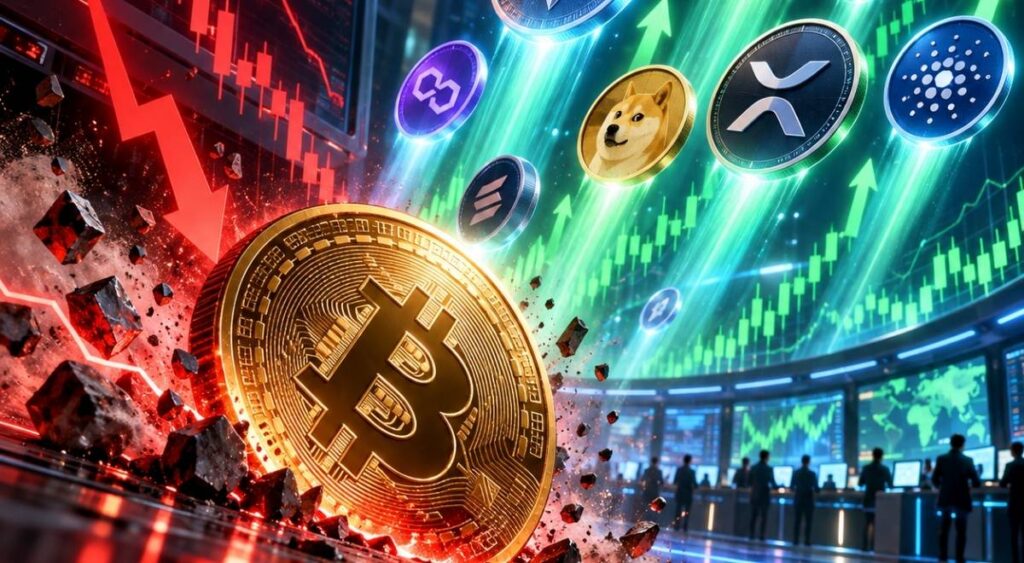
Cryptocurrency markets, which often benefit from abundant liquidity and lower interest rates, could face additional pressure if borrowing costs continue to rise. Investors are increasingly betting that the central bank will deliver further rate hikes if elevated energy prices persist.
However, those expectations remain closely tied to developments in the Middle East. Any ceasefire agreement or normalization of shipping through the Strait of Hormuz could ease inflation concerns and reduce the need for aggressive monetary tightening.
Implications for Crypto Investors
Higher interest rates may also alter investment flows within Europe. Institutional investors who expanded exposure to digital assets during the ECB’s easing cycle could shift capital back toward traditional fixed-income products as yields become more attractive.
With the ECB’s deposit rate now at 2.25% and potentially moving closer to 3% by year-end, risk-free returns are becoming increasingly competitive against more volatile asset classes.
At the same time, divergence between major central banks could influence market dynamics. If the ECB continues raising rates while the US Federal Reserve adopts a more accommodative stance, a weaker dollar could provide support for dollar-denominated assets such as Bitcoin, offsetting some of the impact of tighter European financial conditions.
Analysts warn that a further escalation of disruptions in the Strait of Hormuz could trigger another spike in energy prices, potentially forcing the ECB to pursue even more aggressive rate increases in the months ahead.