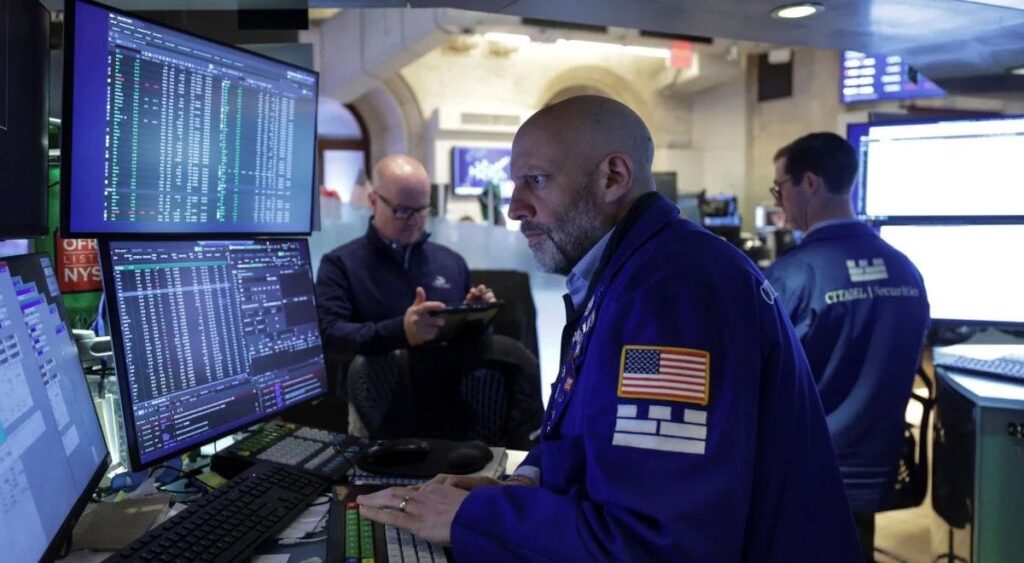

In times of geopolitical tension and economic uncertainty, traditional financial systems often reveal their fragility. Markets fluctuate, currencies devalue, and trust in centralized institutions can erode quickly. Yet amid this turbulence, a different kind of system continues to operate with quiet resilience—one built not on borders or governments, but on code.
Cryptocurrency has emerged as a modern financial alternative that doesn’t rely on empires to function. While global powers navigate shifting alliances and economic pressures, blockchain networks continue to process transactions 24/7, unaffected by political instability. This fundamental difference is reshaping how individuals, businesses, and even governments think about money.
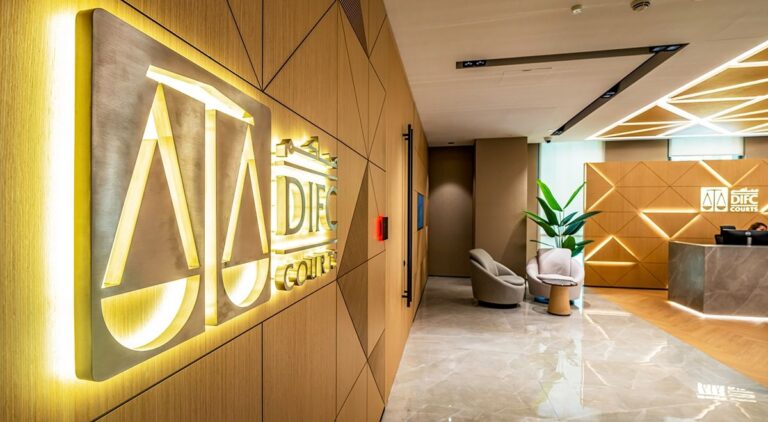
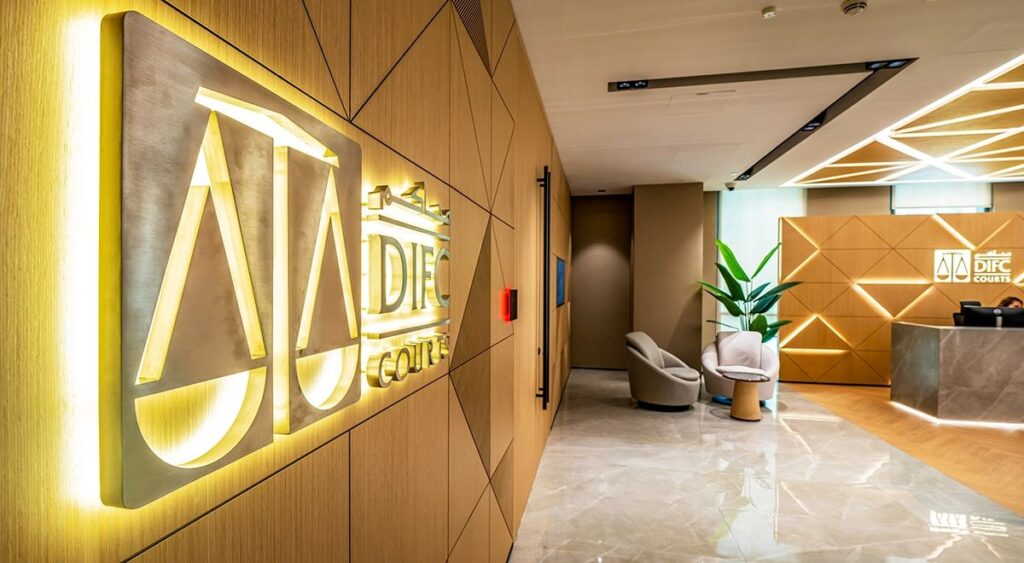
At the heart of this transformation is Dubai—a city that has strategically positioned itself as a global hub for digital finance. Unlike traditional financial centers that are often tied to legacy systems, Dubai has embraced innovation with remarkable speed. Through forward-thinking regulations and initiatives like the Virtual Assets Regulatory Authority (VARA), the emirate has created an ecosystem where crypto companies, investors, and developers can thrive.
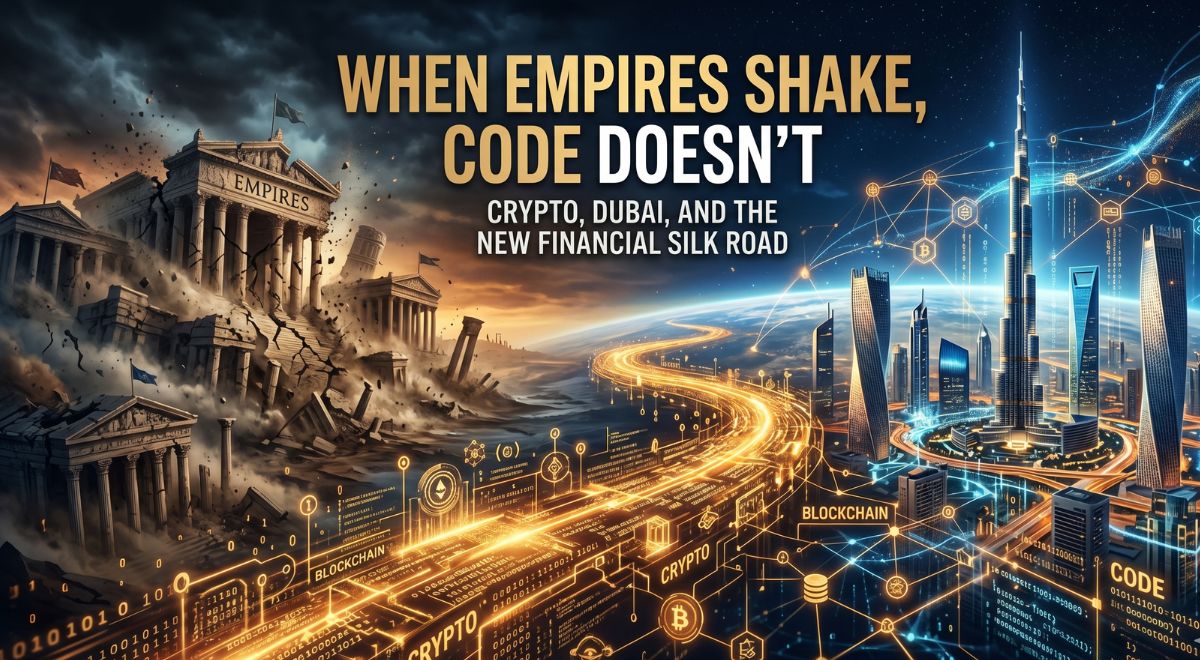
Dubai’s approach reflects a broader shift toward decentralization. In contrast to the historic Silk Road—which connected East and West through physical trade routes—today’s financial exchange is increasingly digital. The “New Financial Silk Road” is not defined by caravans or shipping lanes, but by blockchain networks and decentralized protocols that enable seamless, borderless transactions.
Cryptocurrencies such as Bitcoin and Ethereum are at the core of this new system. They allow value to move across continents in minutes, without the need for intermediaries. This is particularly significant in regions where access to traditional banking is limited or where currencies are volatile.
For businesses, this shift opens new opportunities. Cross-border payments become faster and cheaper. Smart contracts automate complex agreements. Tokenization allows real-world assets—from real estate to art—to be traded digitally with greater liquidity. In cities like Dubai, these innovations are not theoretical—they are already being implemented across industries.
However, the rise of crypto is not without challenges. Regulatory uncertainty, market volatility, and concerns about security continue to shape the conversation. Governments worldwide are still figuring out how to balance innovation with oversight. Yet even as policies evolve, the underlying technology remains constant.
That is the key distinction: empires may rise and fall, but code—once deployed on a decentralized network—continues to run. Blockchain systems are designed to be immutable and resistant to control, making them uniquely suited for an era defined by uncertainty.
As the world moves toward a more digital and interconnected future, the role of crypto will likely expand. Dubai’s emergence as a crypto powerhouse signals a broader global trend—one where financial influence is no longer concentrated in a handful of traditional centers, but distributed across a network of innovation-driven hubs.
The New Financial Silk Road is already here. It doesn’t rely on geography, and it doesn’t pause for politics. It runs on code—and it’s reshaping the global economy in real time.