
The market for non-fungible token (NFT) platforms is entering a new phase of development, with industry forecasts pointing to steady expansion through 2033 as digital collectibles find broader applications across sports, gaming, art and other sectors.
According to a market outlook published on August 23, 2026, the NFT platforms market is projected to expand at a compound annual growth rate (CAGR) of 8.5% between 2026 and 2033. The forecast suggests that the sector is moving beyond the speculative boom that characterized the NFT market in 2021 and toward more practical uses of blockchain-based digital ownership.
Key Takeaways
- The NFT platforms market is forecast to grow at a CAGR of 8.5% from 2026 to 2033.
- NFT marketplaces are broadly divided into open and exclusive platforms.
- Sports is projected to be the fastest-growing application segment.
- North America remains the leading regional market, supported by strong technology infrastructure and creator activity.
- Gaming, decentralized finance, virtual reality and digital collectibles are among the areas supporting longer-term demand.
NFT Platforms Market Growth and Key Dynamics
NFT platforms allow users to create, purchase, sell and trade unique digital assets recorded on blockchain networks. These assets can include artwork, music, gaming items, virtual property and sports memorabilia.
Unlike cryptocurrencies, which are generally interchangeable, NFTs are designed to represent unique assets. Blockchain records can provide information about ownership and transaction history, giving digital collectibles a verifiable record of provenance.
The market’s projected growth reflects increasing interest in digital ownership and collectible assets. While the speculative activity seen during the 2021 NFT boom has declined, marketplace operators have continued developing new features aimed at improving liquidity, user engagement and the overall utility of NFTs.
The technology is also being incorporated into gaming, decentralized finance and virtual reality applications, creating potential use cases beyond traditional digital art.
Open and Exclusive NFT Marketplaces
NFT platforms can generally be divided into two major categories: open marketplaces and exclusive or curated platforms.
Open marketplaces provide relatively broad access, allowing creators and users to mint, buy and sell NFTs. Their accessibility can help attract larger communities and generate higher transaction activity across a diverse range of digital assets.
Exclusive marketplaces take a different approach by focusing on curated collections, limited releases and selected creators. Scarcity and curation are often central to their appeal, particularly among collectors interested in limited-edition digital assets.
The two models serve different audiences but contribute to the wider development of the NFT ecosystem.
Sports Becomes a Major NFT Growth Engine
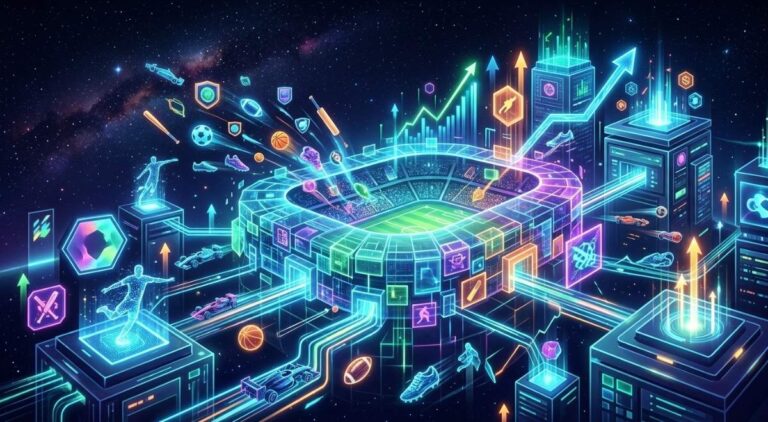
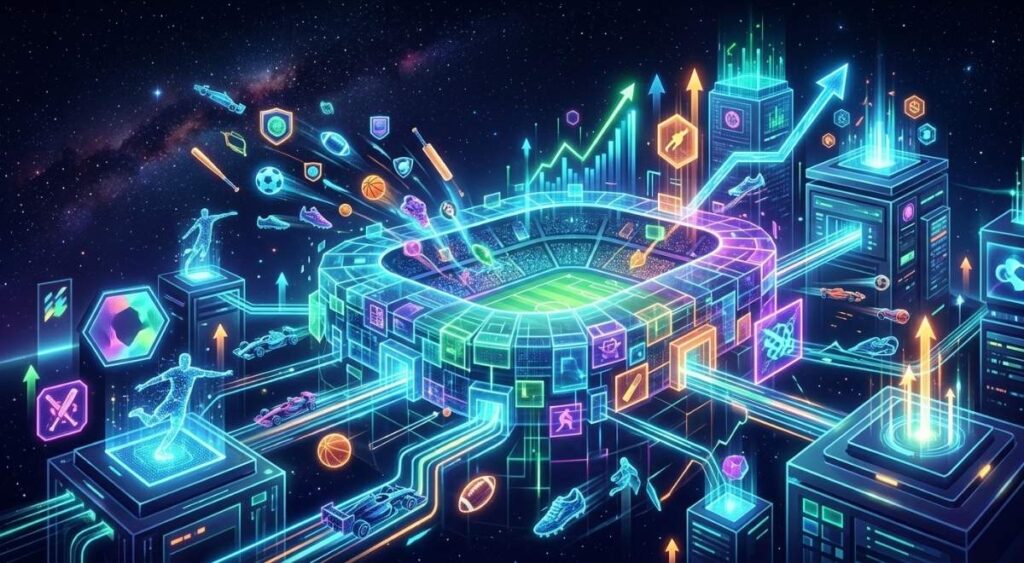
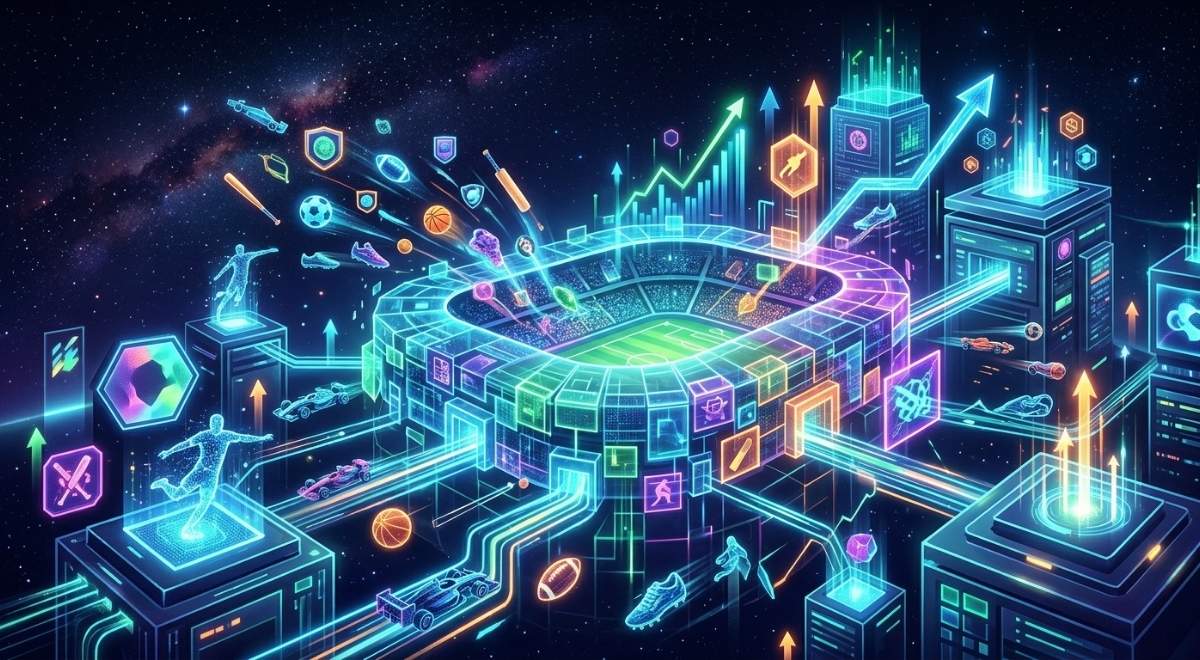
Sports has emerged as one of the strongest growth areas for NFT applications.
Sports organizations, teams and leagues have increasingly experimented with digital collectibles, virtual memorabilia and blockchain-based fan experiences. These initiatives allow supporters to collect digital assets linked to athletes, teams and memorable sporting events.
The growth of sports-related NFTs also reflects a broader shift in the market toward experiences built around established communities and fan engagement. Rather than relying exclusively on speculative trading, sports platforms can connect digital collectibles with existing entertainment ecosystems.
The sports segment is forecast to record the fastest revenue growth among major NFT applications, ahead of areas such as art, cultural collections and gaming-related assets.
Museums and cultural organizations are also exploring tokenization as a way to distribute digital versions of artworks and cultural assets. Meanwhile, the wider art, collectibles and gaming ecosystem continues to provide opportunities for creators seeking alternative digital revenue streams.
North America Remains the Leading Regional Market
North America continues to hold a leading position in the global NFT marketplace landscape, with the United States and Canada benefiting from established technology infrastructure, blockchain development capabilities and a large community of digital creators.
Europe is also developing its NFT ecosystem, with countries such as Germany and the United Kingdom seeing activity across the arts, entertainment and sports industries.
The Asia-Pacific region remains important, particularly in gaming and digital entertainment. Markets including China and Japan have contributed to blockchain-based applications involving gaming, music and digital content.
Latin America, including Brazil and Mexico, is being identified as an emerging market, supported in part by a relatively young and digitally active population. In the Middle East, the UAE and Turkey are also attracting interest in blockchain and digital ownership technologies.
Major Players in the NFT Marketplace Industry
Several established platforms have played an important role in the development of the NFT market.
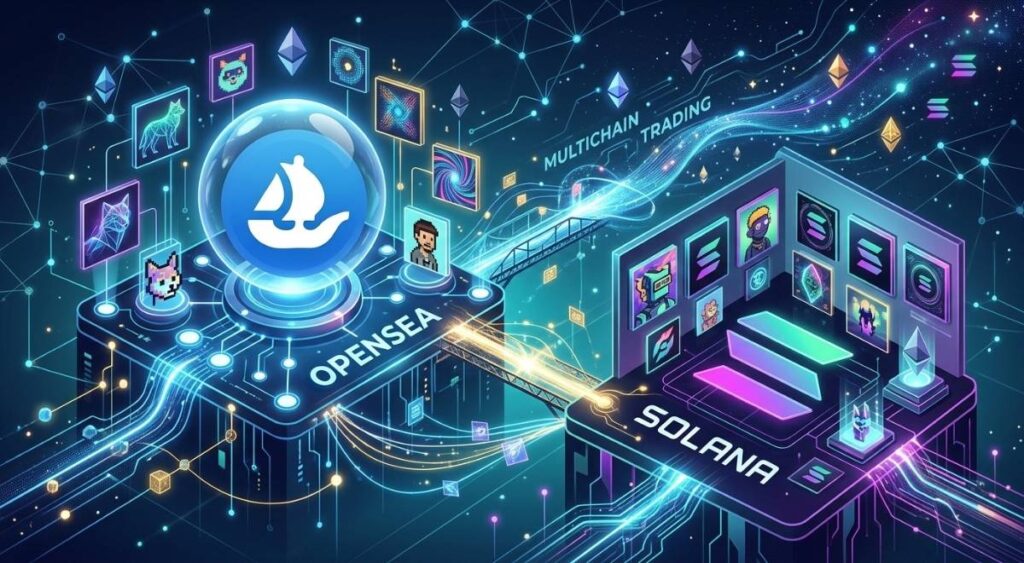
OpenSea became one of the industry’s best-known marketplaces by providing a broad platform for buying, selling and trading NFTs. Binance NFT Marketplace has benefited from its connection to the wider Binance ecosystem, while Rarible has focused on creator-oriented marketplace features.
Nifty Gateway has built its identity around curated digital art and artist collaborations. Axie Infinity has remained a significant name in blockchain gaming, where NFTs form part of the game’s digital asset economy.
Historical revenue and transaction figures also demonstrate the scale reached during the NFT market’s 2021 peak. OpenSea was estimated to have generated more than $300 million in annual revenue that year, while Binance NFT Marketplace was reported at approximately $60 million and Rarible at around $20 million.
Axie Infinity recorded more than $1.3 billion in NFT-related sales in 2021, while NBA Top Shot surpassed $700 million in total sales by late that year.
Those figures largely reflect the extraordinary activity of the 2021 market cycle rather than current annual performance. They nevertheless demonstrate the level of commercial interest NFTs were able to generate and provide context for today’s focus on more sustainable growth.
Interoperability and Sustainability Shape the Next Phase
The NFT sector is increasingly focused on improving the functionality and usefulness of digital assets.
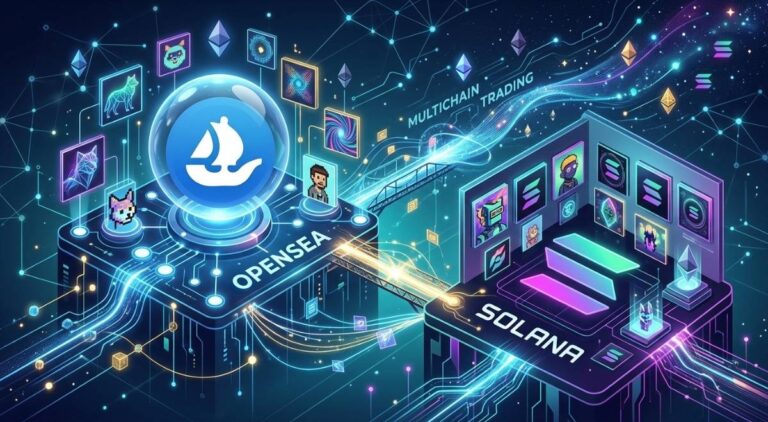
Interoperability is one area receiving attention, with developers working toward systems that can allow assets to interact across different blockchain networks. Greater compatibility could potentially improve the usefulness and liquidity of NFTs by reducing dependence on individual platforms.
Environmental considerations have also influenced blockchain development. NFT companies and blockchain networks have increasingly explored technologies designed to reduce energy consumption, particularly as sustainability becomes more important to consumers and businesses.
Augmented reality is another emerging area. By combining NFTs with immersive digital experiences, platforms can give users new ways to interact with digital collectibles rather than simply viewing them through conventional marketplaces.
Fractional Ownership, DAOs and Gamification
Other developments are changing how users participate in NFT ecosystems.
Fractional ownership allows multiple individuals to hold interests in a single high-value digital asset. In theory, this can reduce the financial barrier associated with purchasing an entire asset and make certain collectibles accessible to a wider pool of participants.
Decentralized autonomous organizations, or DAOs, are also being used by some blockchain communities to give participants a role in project governance and decision-making.
Gamification is another growing trend. By incorporating rewards, challenges, progression systems and other game-like features, NFT platforms can encourage users to remain engaged with digital assets beyond a single purchase.
Together, these developments point toward a market increasingly focused on utility, participation and integration rather than simple speculation.
What the NFT Market’s Next Phase Could Look Like
The projected 8.5% annual growth rate indicates that analysts continue to see long-term potential in blockchain-based digital ownership despite the sharp correction that followed the NFT boom.
The industry’s challenge will be converting that potential into sustainable demand. Greater integration with gaming, sports, entertainment, financial services and digital commerce could help NFTs become part of broader technology ecosystems.
For marketplace operators, factors such as interoperability, user experience, security, creator participation and real-world utility are likely to become increasingly important.
If those developments continue, the next stage of NFT market growth may be defined less by speculative trading and more by how effectively digital ownership becomes integrated into mainstream online experiences.
Frequently Asked Questions
What is the projected growth rate of the NFT platforms market?
The NFT platforms market is projected to grow at a compound annual growth rate of 8.5% between 2026 and 2033.
What are the main types of NFT marketplaces?
NFT marketplaces are generally divided into open platforms, which provide broad access to users and creators, and exclusive or curated platforms that focus on selected collections and limited releases.
Which sector is expected to record the fastest NFT revenue growth?
Sports is projected to be the fastest-growing application segment for NFT platforms, supported by demand for digital memorabilia, collectibles and fan experiences.
Which companies and platforms are prominent in the NFT market?
Major names associated with the NFT ecosystem include OpenSea, Binance NFT Marketplace, Rarible, Nifty Gateway and Axie Infinity. Other platforms and projects, including NBA Top Shot, Foundation and Larva Labs, have also contributed to the development of the sector.