
The non-fungible token (NFT) market has long been driven by the principle of scarcity, with limited supply often viewed as the primary driver of value. However, a new project launching on July 7 is seeking to challenge that approach by prioritising community contribution over purchasing power.
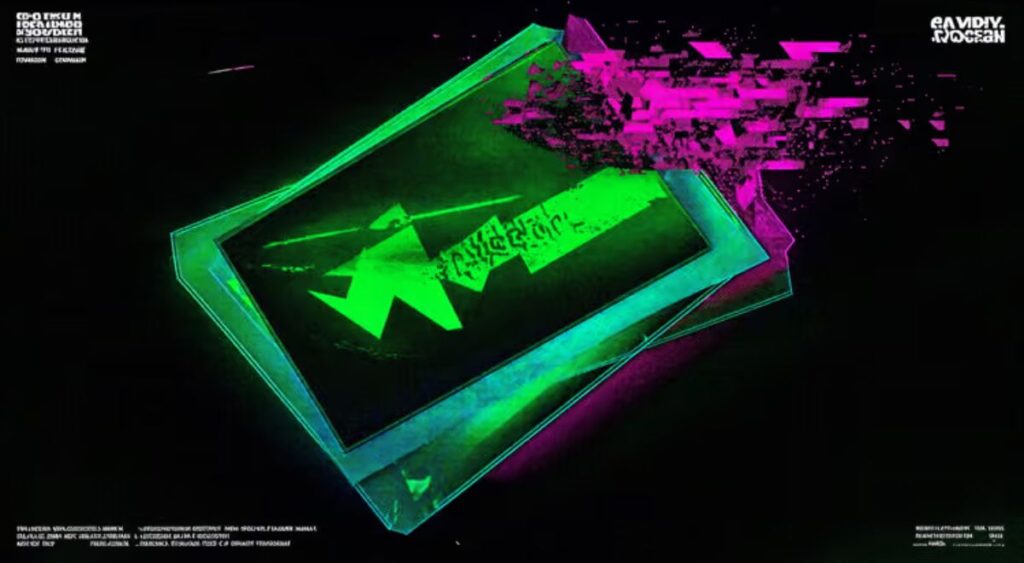
Wingston will debut as a free mint on Ethereum with a fixed supply of 3,000 NFTs. Rather than rewarding users based on the size of their cryptocurrency holdings, the project allocates ownership opportunities to participants who have actively contributed to its ecosystem.
The launch is tied directly to Rally’s existing platform, positioning the NFT as a utility-focused digital asset rather than a speculative investment. From day one, holders will be able to stake their NFTs to earn daily Rally Loyalty Points (RLPs), gain access to an exclusive community, and receive a Rally Score boost as the platform’s reputation system evolves.
The model represents a departure from the traditional NFT fundraising approach, where collections are often sold before a product or ecosystem is fully developed. In Wingston’s case, the underlying platform is already operational, with the NFT designed to expand user participation rather than finance future development.
Supporters of the initiative argue that rewarding meaningful contributions instead of financial investment could foster stronger long-term engagement and community loyalty. If successful, the experiment may prompt broader discussions across the NFT sector about whether digital ownership should be determined by capital or by active participation.
As the July 7 launch approaches, Wingston’s contribution-first strategy will serve as a test case for whether utility and community involvement can redefine value creation in the next phase of the NFT market.