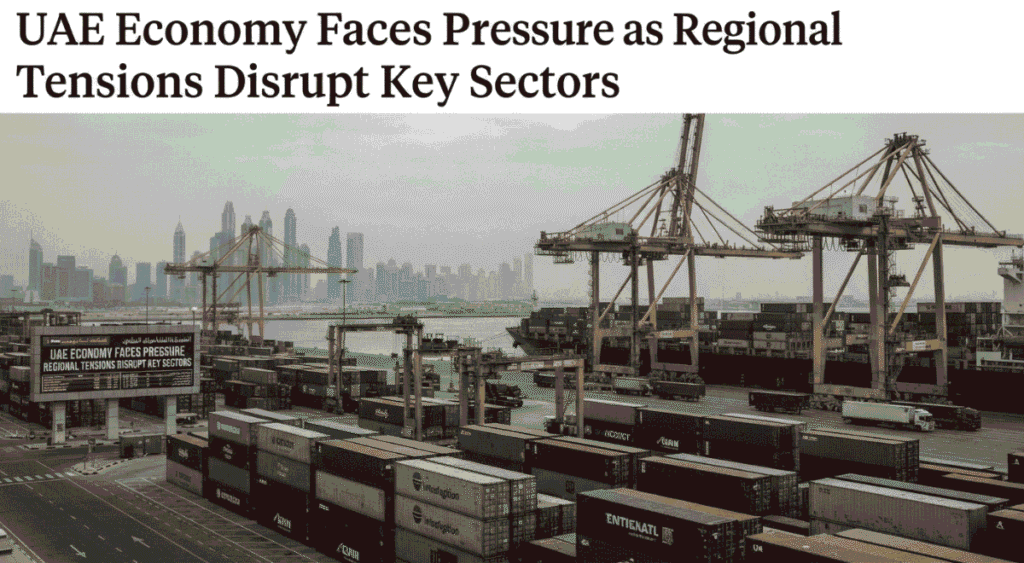

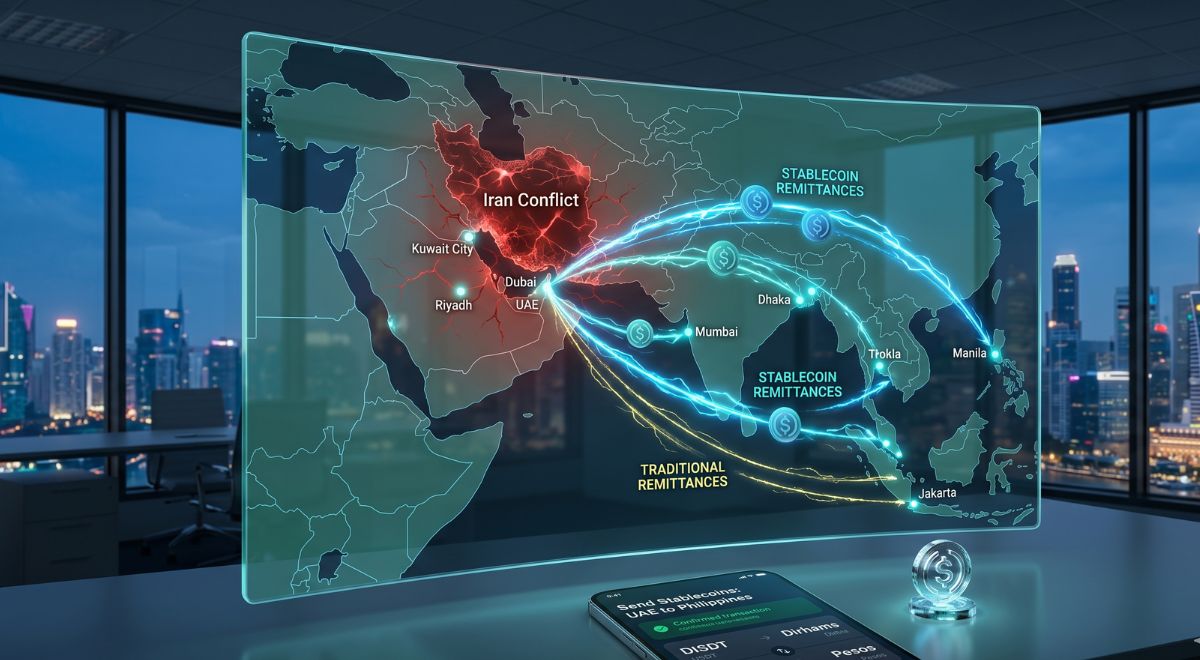
The ongoing Iran conflict is pushing Asian migrant workers in the Gulf to increasingly explore stablecoins as an alternative channel for sending money home, amid growing fears that potential US sanctions and banking disruptions could affect traditional remittance systems relied upon by millions of families across South Asia.
Remittances from Gulf-based workers contribute significantly to the economies of several emerging nations. According to data from the Global Settlement Network, these inflows account for between 3 and 5 per cent of GDP in multiple countries, while Nepal receives nearly 10 per cent of its GDP through overseas worker remittances.
Concerns intensified after Washington warned against payments linked to Iranian-controlled shipping routes through the Strait of Hormuz, a key global trade passage that has faced disruptions during the conflict.
Singapore-based blockchain and technology adviser Anndy Lian said there has been a “quiet but noticeable” rise in the use of stablecoins among South Asian migrant workers, particularly Indians, following the escalation of tensions involving Iran.
Instead of relying solely on traditional dollar-based banking systems, some workers are now transferring funds through digital assets such as USDT, the dollar-backed stablecoin issued by Tether.
Stablecoins are cryptocurrencies designed to maintain a fixed value by being pegged to reserve assets such as fiat currencies or commodities like gold.
Lian estimated that stablecoins currently account for around 3 to 4 per cent of remittances sent by Gulf-based workers, indicating that banks and licensed money transfer operators still dominate the sector. However, he noted that the shift toward digital assets is gradually increasing among tech-savvy migrant communities.
Millions of workers from India, Pakistan, Bangladesh and Sri Lanka have long relied on employment opportunities in the Gulf. Yet uncertainties surrounding regional stability have raised concerns over jobs, wages and financial transfers.
According to Lian, one reason behind the popularity of USDT in countries such as India is that it can trade at a premium of 4 to 5 per cent above the official US dollar exchange rate, allowing recipients to obtain slightly better value when converting funds locally.
While there is currently no indication that the United States intends to block legitimate remittances, fears of tighter sanctions linked to the Iran conflict have increased anxiety around traditional dollar-clearing systems.
In response to evolving financial technologies, Gulf states including the United Arab Emirates, Saudi Arabia and Bahrain have introduced regulatory frameworks in recent years permitting the use of stablecoins within parts of their financial sectors.
Raj Kapoor, president of the India Blockchain Alliance, said the Iran war has pressured global banking operations in the Gulf, affecting treasury management and settlement systems that support remittance flows.
He added that stablecoins such as USDT and USDC are increasingly being used to bridge financial settlement gaps created by disruptions in the traditional banking network.
“The Iran war has functioned less as a direct cause and more as a major accelerant of a transition that was already under way,” Kapoor said.
Meanwhile, Ryan Kirkley said the conflict has impacted not only energy markets and dollar liquidity, but also cross-border money transfers relied upon by workers and families across Asia.
India alone received around US$125 billion in remittances last year, with Gulf nations contributing nearly one-third of that amount, according to Kirkley.
He stressed the need for stronger compliance standards and safer frameworks for stablecoin-based payments to ensure migrant workers retain reliable options for sending money home during periods of geopolitical instability.
“If a Gulf bank reduces dollar clearing operations or a UAE exchange house tightens onboarding rules because of sanctions risks, the first people affected are migrant workers trying to send modest sums home to support their families,” Kirkley said.