
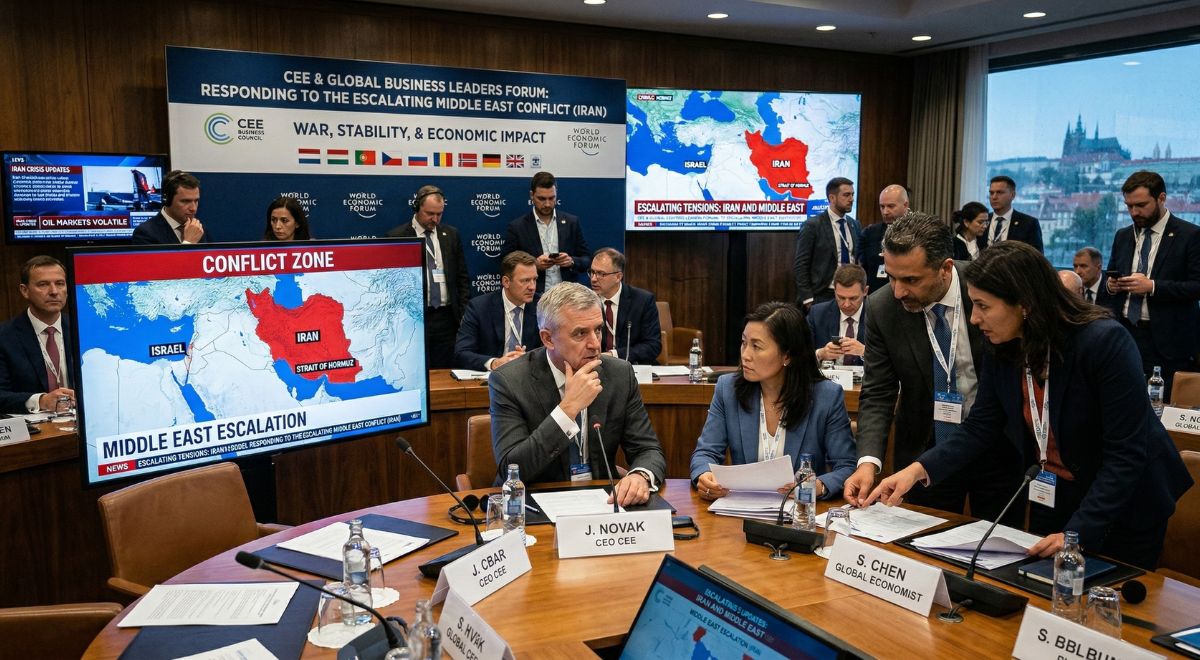
As military tensions involving Iran, the United States, and Israel escalate across the Middle East, business leaders from Central and Eastern Europe (CEE), Western multinational firms, and regional conglomerates are publicly reassessing their position amid rising geopolitical and economic uncertainty.
In recent days, a dramatic spike in conflict followed U.S. and Israeli strikes on Iranian territory, killing top leadership and prompting retaliatory missile and drone attacks across the Gulf. The launches have impacted major business hubs such as Dubai and Abu Dhabi, hitting corporate operations, travel, and market confidence.
Immediate Impact on Business Operations
Many global firms — from luxury retailers to regional service providers — have temporarily curtailed operations in the Middle East:
- Luxury houses and global retail brands have closed stores or reduced staffing across the Gulf, citing deteriorating security conditions and unpredictable travel patterns for consumers and staff.
- Major corporations including Amazon, Goldman Sachs, Citigroup, and JPMorgan have advised employees in the region to work remotely, extending safety measures as military engagements continue.
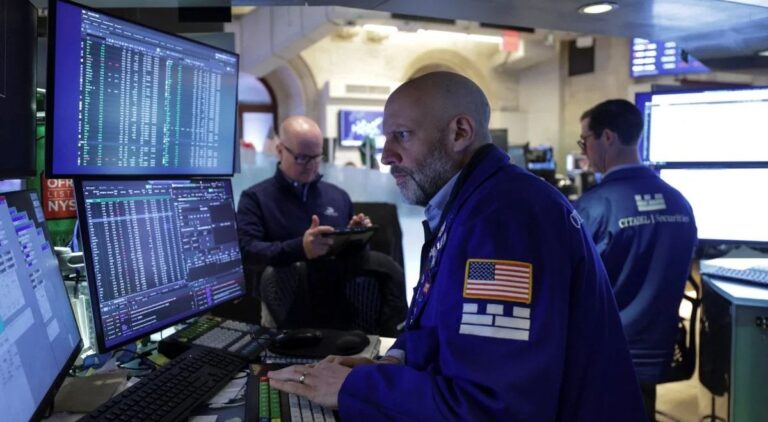
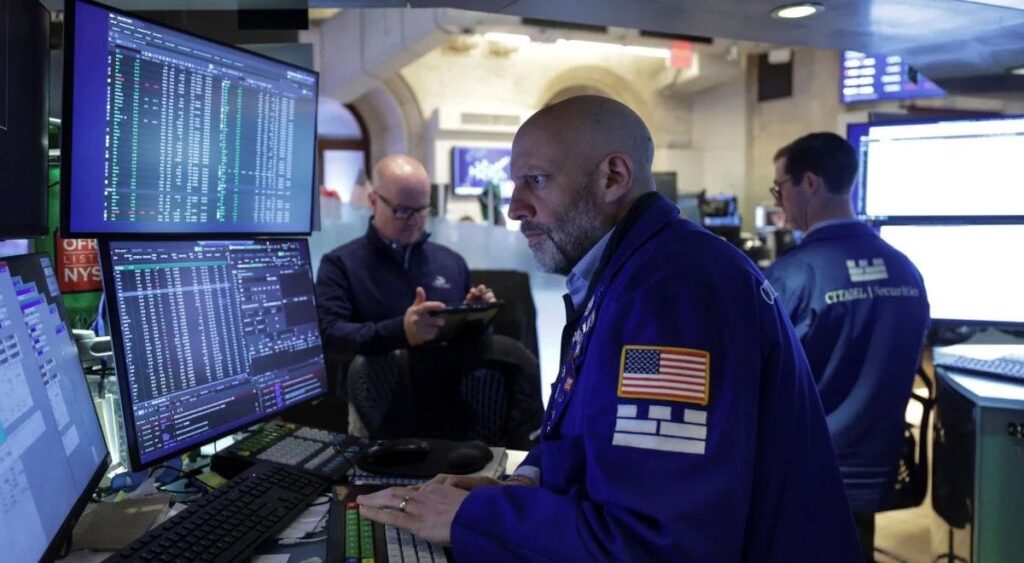
- Stock markets in the United Arab Emirates — key hubs for Gulf finance — suspended trading entirely for multiple days as investor confidence wavered.
For CEE business leaders — many of whom have interests in energy, real estate and logistics spanning Europe and the Middle East — these disruptions pose immediate challenges. Trade routes through the Gulf, especially those tied to the Strait of Hormuz, are central arteries for energy and goods transit; closures or increased risk premiums directly heighten costs and delay deliveries.
Market and Investment Reassessment
European and CEE investors have already begun strategizing on how to manage the fallout from the conflict:
- Market strategists note that heightened geopolitical risk is leading to unusually volatile oil and gas prices, which in turn affect inflation expectations and circumscribe interest-rate planning — a matter of real import for companies with cross-border financing and infrastructure exposure.
- Some CEE investment professionals are warning that the broader conflict could trigger reallocations of capital away from emerging markets into perceived safe-haven assets, while others emphasize the need to hold diversified positions until there is clearer geopolitical direction.
- CEE energy and industrial leaders, already adjusting to supply shocks from past regional conflicts, are closely watching how disruptions at sea and in Gulf airspace affect shipping lanes, insurance costs, and operational reliability.
Economic Sentiment from the Middle East to Europe
While exact statements from CEE heads of multinational firms are still emerging, business sentiment mirrors broader investor concerns:
- Analysts expect increased caution around capital market transactions, mergers and acquisitions, especially those requiring travel or site visits in the Gulf region.
- European financial institutions are already factoring in higher energy-linked inflation and potentially slower growth, a prospect that adds another layer of complexity to financial planning for multinational corporate leaders.
- Global financial industry heavyweights, such as Goldman Sachs’ CEO, have publicly acknowledged surprise at the market’s initial calm but warned that true effects — including corporate investment decisions — may unfold over weeks as geopolitical risk unfolds.
Navigating the Future: Business and Leadership Considerations
CEE business leaders with operations or partnerships in the Middle East are confronting a strategic crossroads:
- Short-term priorities include ensuring the safety of personnel, revisiting regional risk assessments, and implementing contingency plans for disrupted supply chains.
- Longer-term planning may involve diversification of market exposure, reevaluating energy sourcing strategies, and recalibrating investment flows between Europe, the Gulf, and alternative regions.
As the conflict continues, corporate leadership across Europe and the Middle East is likely to place even greater emphasis on geopolitical intelligence and flexible planning — recognizing that today’s tensions could have far-reaching effects on trade, investment, and growth strategies in 2026 and beyond.