
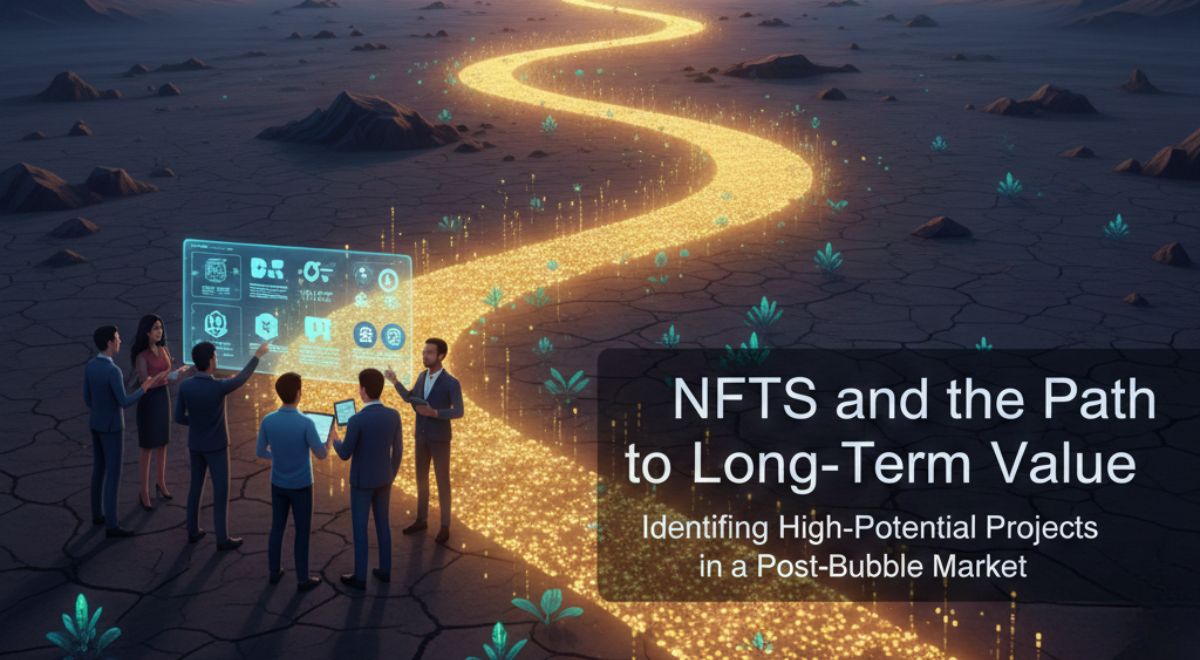
The non-fungible token (NFT) market has undergone a dramatic transformation. After the explosive hype cycle of 2021–2022, marked by speculative buying and inflated prices, the industry has entered a more mature, post-bubble phase. While many low-quality projects have faded, this reset has created an opportunity for investors, creators, and collectors to focus on NFTs with genuine long-term value.
Understanding how to identify high-potential NFT projects is now more important than ever.
The Post-Bubble NFT Market: A Reality Check
The NFT bubble exposed a key weakness in the market: speculation driven by hype rather than utility. Projects with no roadmap, weak communities, or anonymous teams often collapsed once market sentiment shifted.
Today’s NFT landscape is different. Buyers are more cautious, platforms are more regulated, and successful projects must demonstrate real-world relevance, sustainability, and innovation. This evolution signals a healthier ecosystem—one that rewards substance over speculation.
Key Indicators of Long-Term NFT Value
1. Strong Utility Beyond Digital Art
High-potential NFTs now offer tangible utility. This may include access to exclusive communities, gaming assets, real-world perks, intellectual property rights, or integration with metaverse platforms. Projects that solve real problems or provide ongoing benefits are far more likely to survive market downturns.
2. Transparent and Experienced Teams
A credible development team is a critical factor. Successful NFT projects are led by founders with proven experience in blockchain, gaming, art, or technology. Transparent communication, regular updates, and a clear vision build trust and signal long-term commitment.
3. Sustainable Tokenomics and Supply Control
Scarcity plays a major role in long-term value. Projects with limited supply, fair minting processes, and well-designed royalty structures are better positioned to retain demand. Over-minted collections often struggle to maintain relevance.
4. Active and Engaged Community
Community strength is one of the most powerful drivers of NFT longevity. High-value projects foster organic engagement through Discord, X (Twitter), and governance participation. A passionate, loyal community can sustain a project even during prolonged bear markets.
5. Real-World and Cross-Industry Integration
NFTs that bridge the digital and physical worlds are gaining traction. Use cases in fashion, music, gaming, real estate, and event ticketing demonstrate how NFTs can extend beyond collectibles into everyday applications.
Innovation Over Hype: The New Investment Mindset
In the post-bubble era, innovation has replaced hype as the primary growth driver. Layer-2 scalability, cross-chain compatibility, AI-generated assets, and decentralized identity integration are reshaping how NFTs function. Projects that adapt to technological advances stand a far better chance of long-term success.
Risks Still Exist — But They’re More Manageable
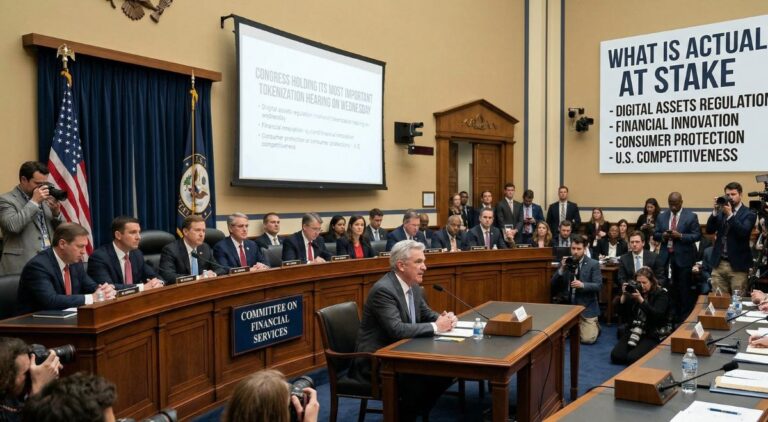
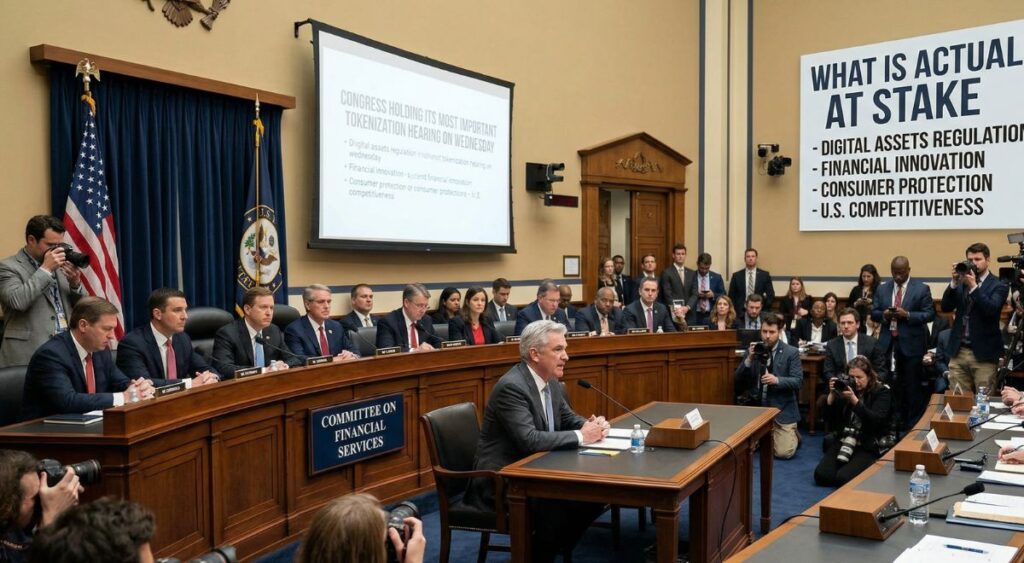
While the market has matured, risks remain. Regulatory uncertainty, intellectual property disputes, and market volatility continue to impact NFTs. However, informed participants who conduct proper research and avoid emotionally driven decisions can significantly reduce exposure.
Diversification and long-term thinking are now essential strategies rather than optional approaches.
The Future of NFTs: A Shift Toward Digital Ownership
NFTs are no longer just speculative assets—they represent a broader shift toward verifiable digital ownership. As blockchain adoption increases, NFTs are likely to play a central role in identity, commerce, entertainment, and virtual economies.
Projects that emphasize utility, transparency, and community will define the next phase of NFT growth.