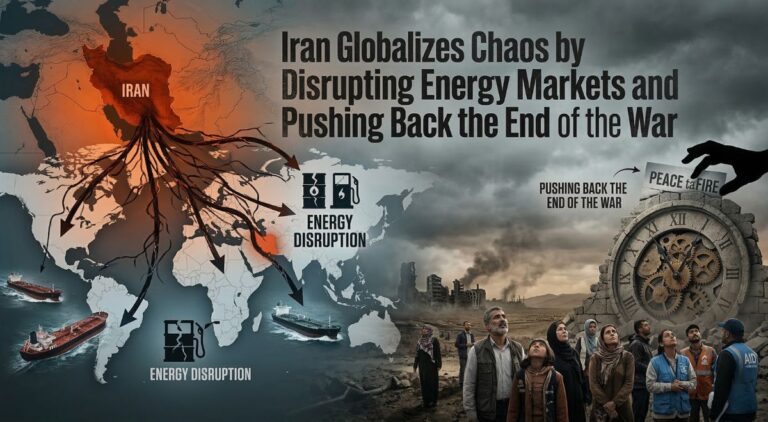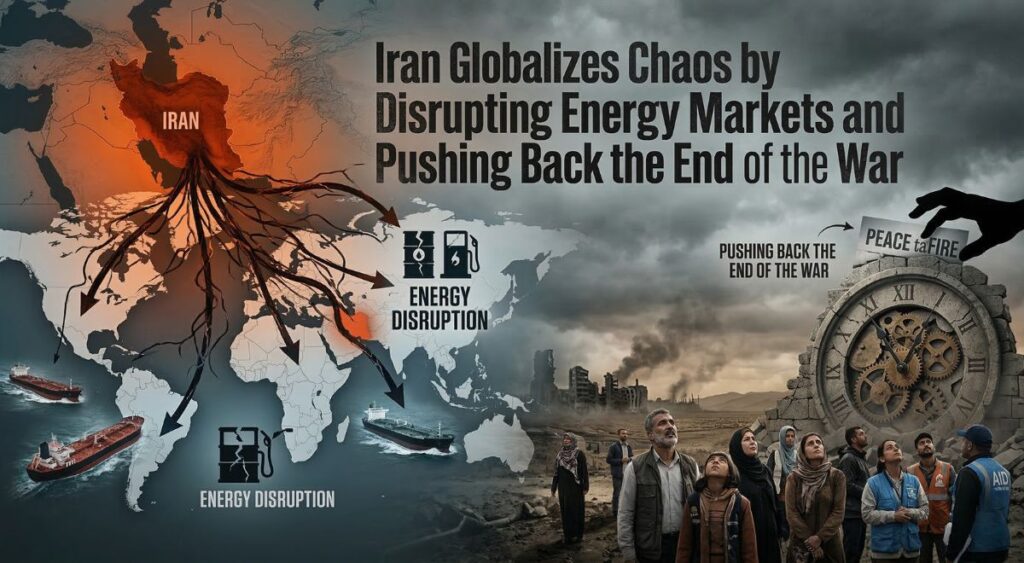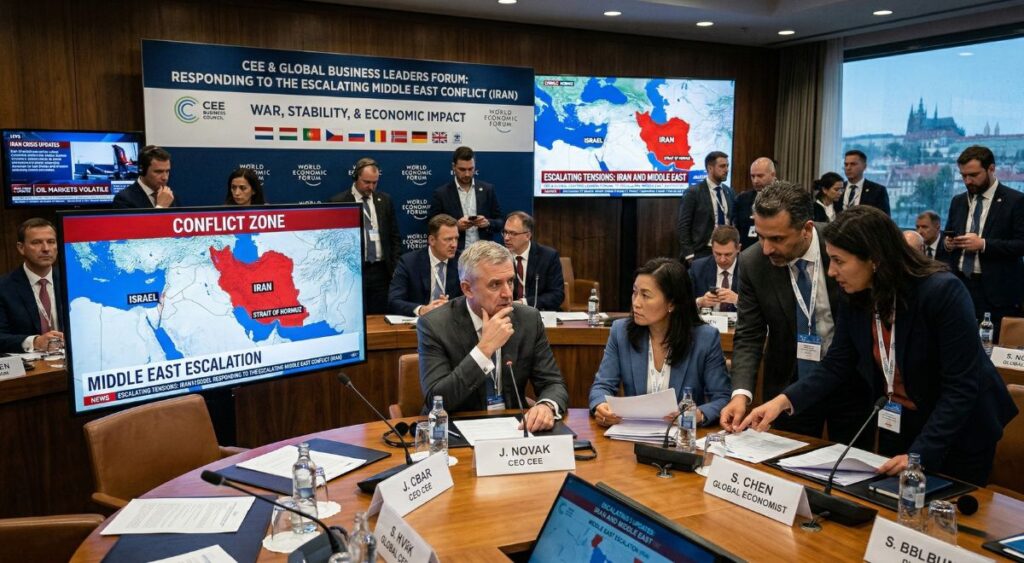

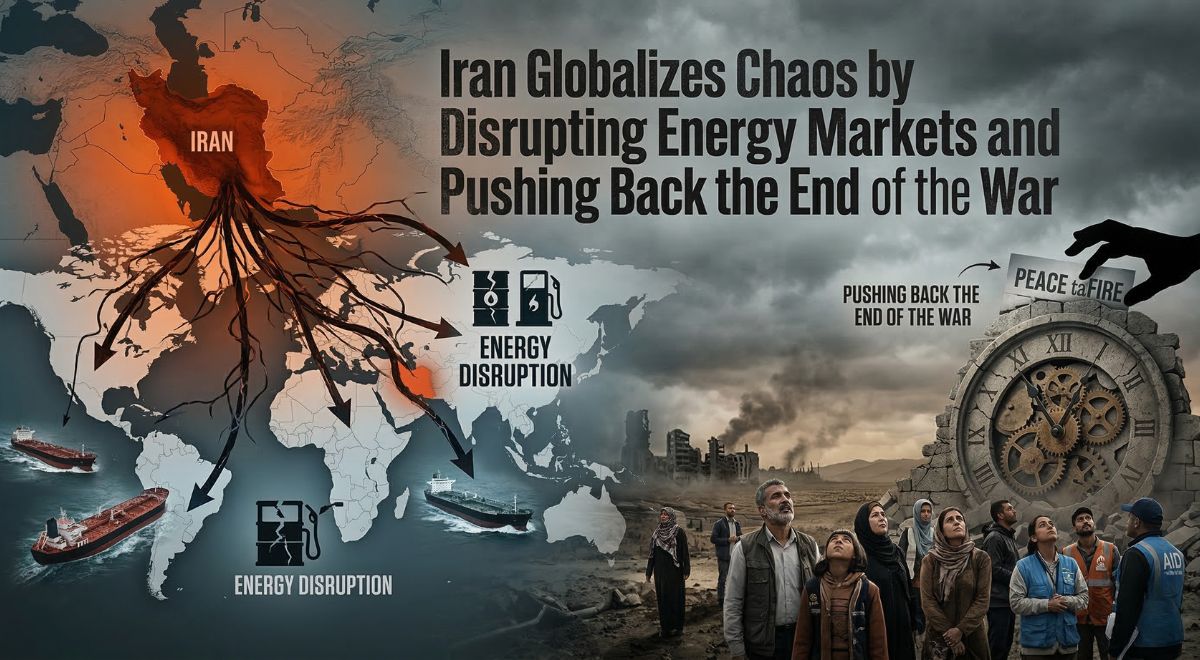
The war involving Iran has evolved far beyond a regional military confrontation. What began as strikes and counter-strikes between Iran, the United States, and Israel has rapidly expanded into a global economic crisis, particularly through the disruption of energy markets. By targeting shipping routes, energy infrastructure, and strategic maritime chokepoints, Iran has effectively globalized the conflict—turning oil and gas supply chains into geopolitical weapons.
Energy Markets at the Center of the Conflict
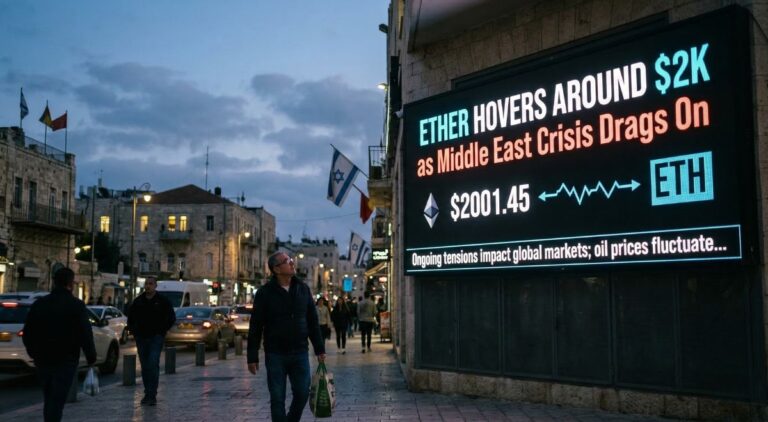
Energy markets are the first and most immediate victims of the escalating conflict. The Persian Gulf is home to some of the world’s most critical oil and natural gas supply routes, and instability in the region has triggered dramatic volatility in global energy prices.
A central flashpoint is the Strait of Hormuz, one of the most important maritime corridors for global energy trade. Around 20% of the world’s oil supply passes through this narrow waterway, making it a strategic chokepoint. When Iran threatened and effectively disrupted shipping in the strait, global energy markets immediately reacted with sharp price increases and supply fears.
The consequences were swift:
- Oil prices surged above $100 per barrel, the highest level in years.
- Global oil supply fell by roughly 8 million barrels per day due to production cuts and shipping disruptions.
- Major exporters in the Gulf—including Saudi Arabia, the UAE, Iraq, and Kuwait—were forced to slow or redirect shipments.
These disruptions show how a regional war can rapidly transform into a worldwide economic shock.
Turning Infrastructure Into a Battlefield
In modern conflicts, energy infrastructure is often as important as military bases. Iran’s strategy appears to recognize this reality. Instead of limiting its response to conventional military targets, Tehran has expanded the conflict to include oil tankers, shipping routes, and regional energy facilities.
Attacks on cargo vessels and threats against commercial shipping have raised insurance costs, delayed shipments, and forced energy companies to reconsider operations in the Gulf. In some cases, LNG production and export operations in neighboring countries have been temporarily halted due to security threats and drone attacks.
This type of infrastructure warfare creates ripple effects across the global economy—impacting transportation costs, electricity prices, manufacturing, and even food production.
Global Inflation and Economic Instability
The energy shock caused by the conflict is now feeding directly into global inflation. Higher fuel prices increase transportation costs, raise manufacturing expenses, and push up consumer prices worldwide.
Several economic risks have emerged:
- Inflation Surge – Rising oil and gas prices could add nearly 0.8% to global inflation, according to analysts.
- Stock Market Volatility – Global markets have experienced significant turbulence as investors react to uncertainty and rising energy costs.
- Supply Chain Disruption – Shipping delays and higher energy prices increase operational costs for businesses across multiple industries.
Countries heavily dependent on Middle Eastern energy imports—such as Japan, South Korea, India, and parts of Europe—are particularly vulnerable.
Strategic Oil Reserves and Emergency Measures
To stabilize the market, governments and international organizations have taken extraordinary steps. The International Energy Agency coordinated the release of about 400 million barrels of oil from global strategic reserves, one of the largest emergency interventions in history.
While these measures have temporarily calmed markets, analysts warn that they cannot replace long-term supply if the conflict continues.
Why Energy Disruption Prolongs the War
Energy disruption does more than destabilize economies—it also complicates efforts to end the conflict.
Several factors contribute to prolonging the war:
- Economic pressure on rival nations, forcing them to react militarily or economically.
- Increased geopolitical stakes, as countries dependent on energy supplies become indirectly involved.
- Strategic leverage, allowing Iran to influence global markets even if it cannot match military power directly.
In this sense, energy becomes a strategic bargaining tool. By threatening global energy stability, Iran expands the battlefield from the Middle East to the entire global economy.
A Conflict With Global Consequences
The Iran conflict demonstrates how modern warfare is no longer confined to frontlines or national borders. By targeting the infrastructure that powers the global economy—oil pipelines, shipping routes, and energy facilities—Iran has effectively globalized the crisis.
The result is a war that now affects fuel prices in Europe, manufacturing costs in Asia, and inflation rates in the United States. Until stability returns to the region’s energy supply routes, the economic aftershocks will continue to ripple through global markets.
In today’s interconnected world, control of energy flows can be as powerful as control of territory—and in this conflict, it may ultimately determine how long the war lasts.