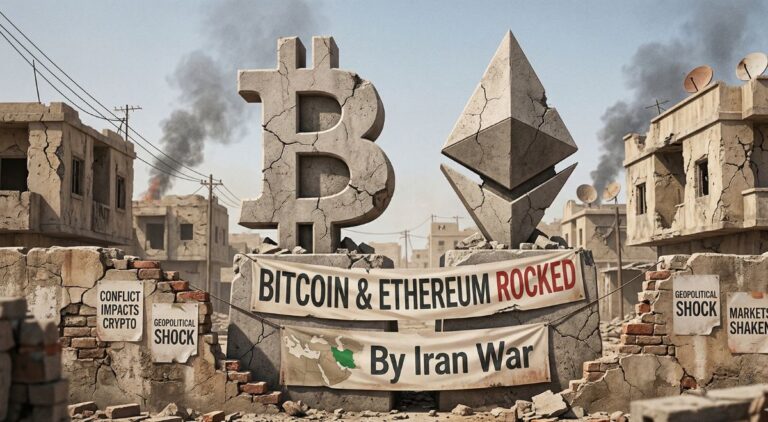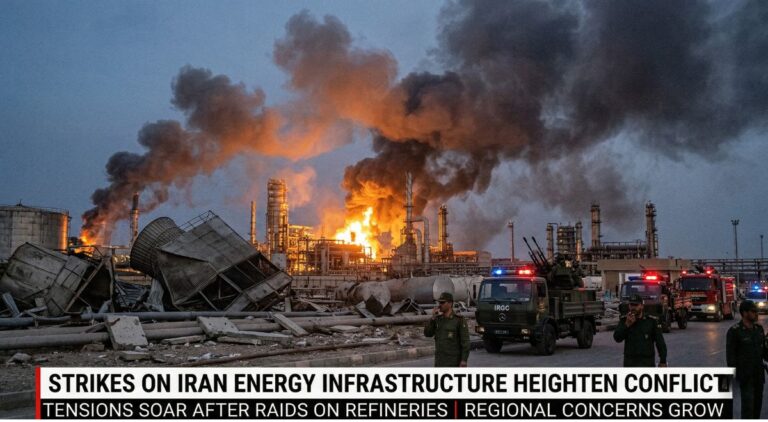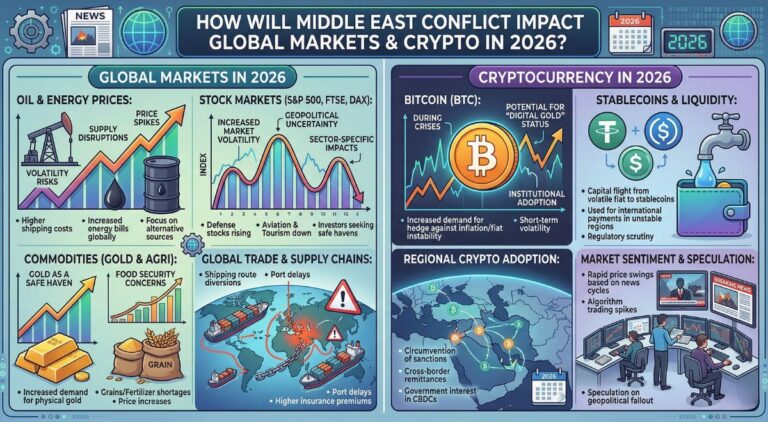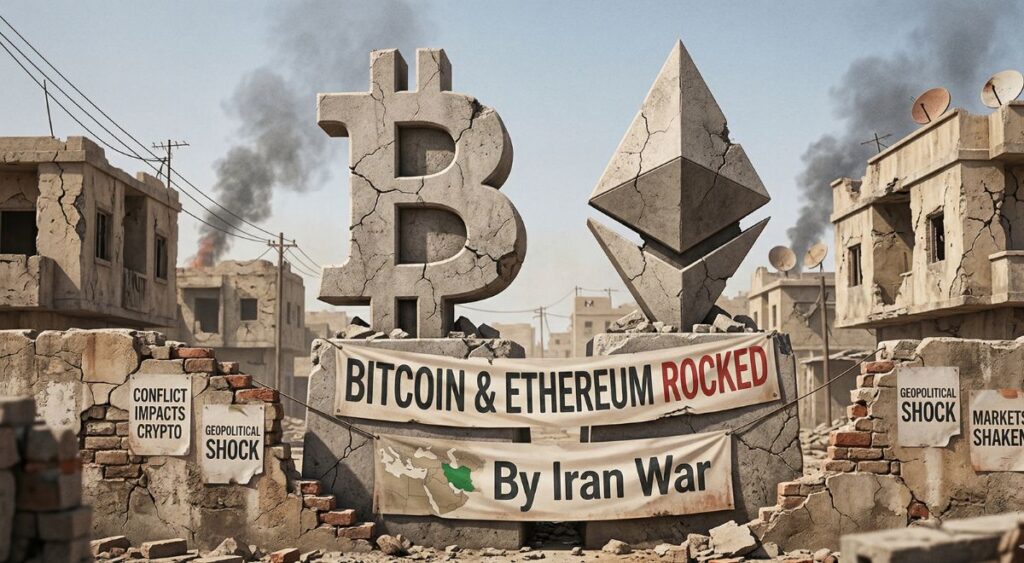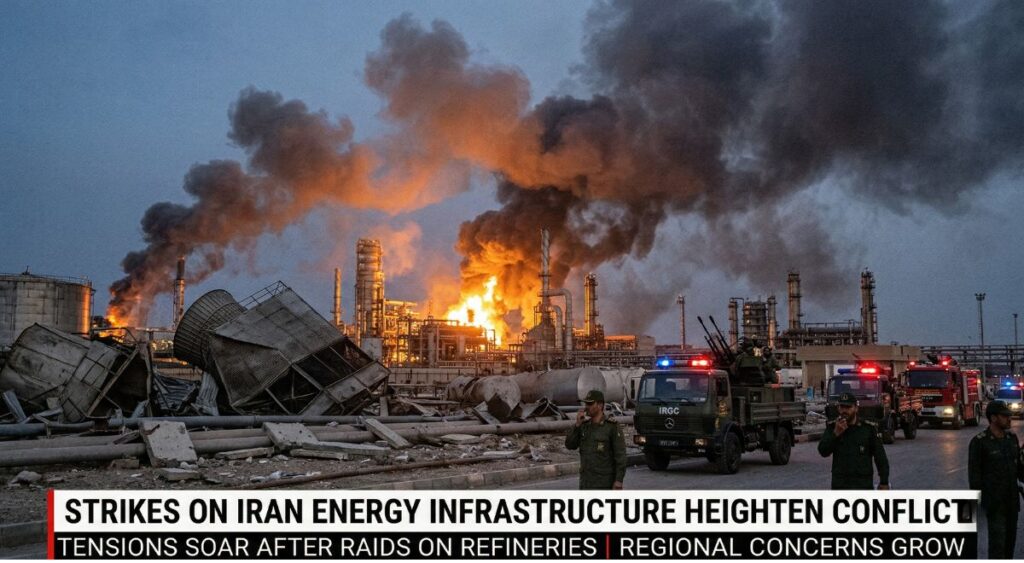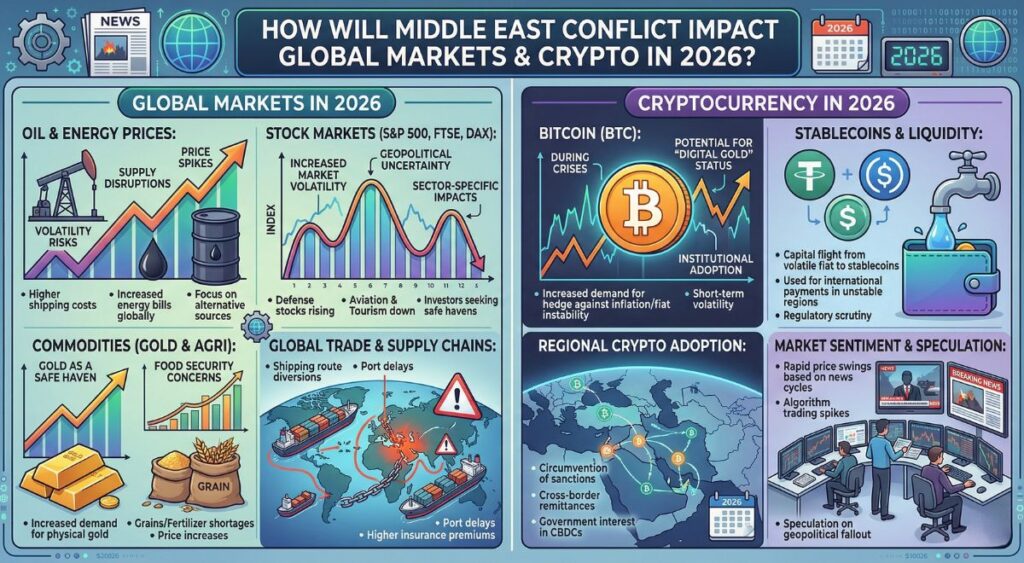

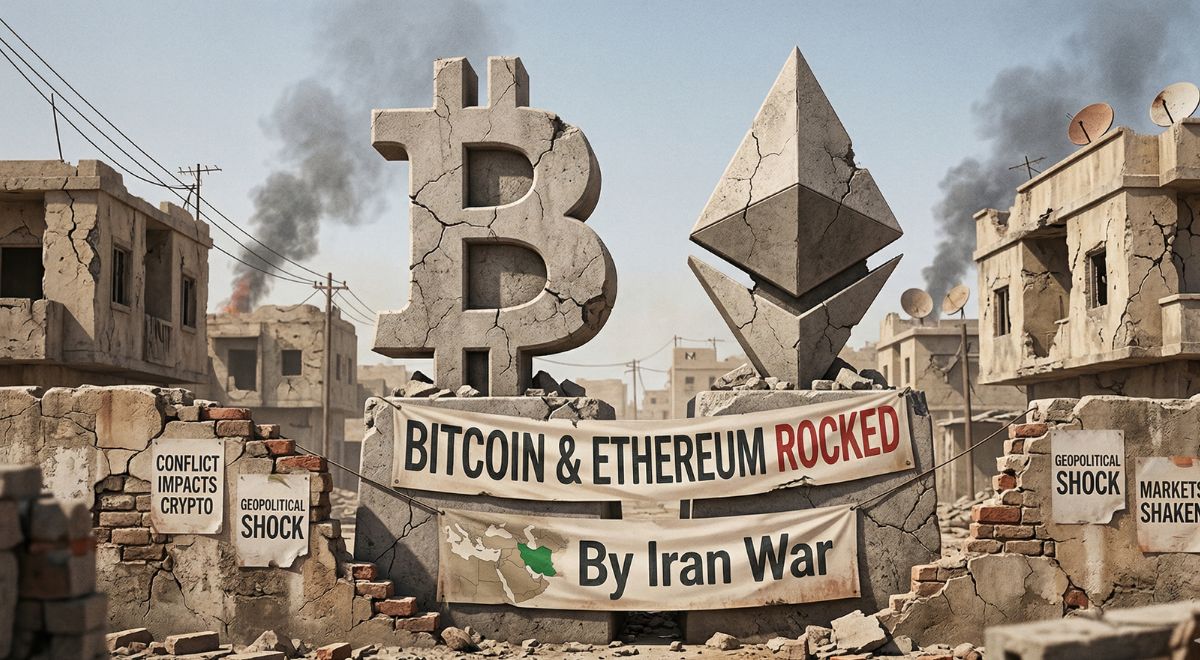
The ongoing Iran war has sent shockwaves across global financial markets—and cryptocurrencies like Bitcoin and Ethereum are no exception. Once seen as independent, decentralized assets, crypto markets in 2026 are proving deeply connected to global geopolitics, energy prices, and investor sentiment.
A Sudden Shock: Immediate Market Reaction
When military tensions escalated in early 2026, crypto markets reacted instantly. Unlike traditional financial systems, cryptocurrencies trade 24/7, making them the first to reflect global panic.
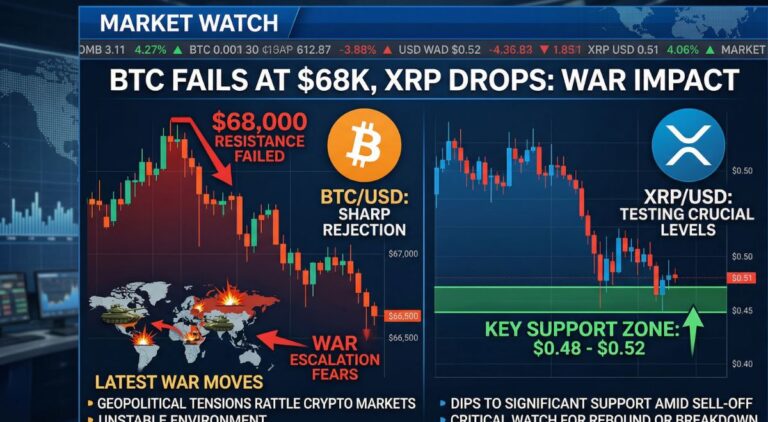
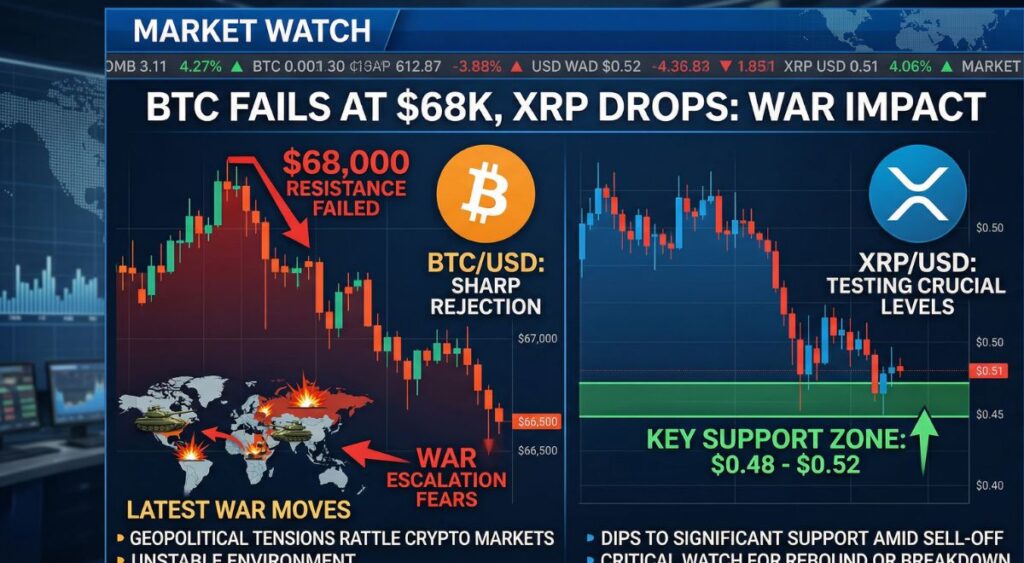
Bitcoin dropped sharply from around $70,000 to nearly $63,000 within hours of the first major strikes, wiping billions from the market.
Ethereum followed closely, declining alongside other major altcoins as investors rushed to reduce risk exposure.
This pattern—rapid sell-off followed by partial recovery—has become typical during geopolitical crises.
Why War Impacts Crypto So Strongly
Although crypto is decentralized, it is not isolated. Several key factors explain why the Iran war has shaken Bitcoin and Ethereum:
1. Risk-Off Sentiment
During war, investors shift away from risky assets. Cryptocurrencies are still considered high-risk, so capital flows into safer options like cash, gold, or government bonds.
Recent reports show Bitcoin falling below $66,000 and Ethereum dropping over 4% as geopolitical fears intensified.
2. Oil Prices and Inflation
The Iran conflict has disrupted oil supply routes, pushing crude prices above $100 per barrel.
Higher oil prices lead to inflation fears, which in turn affect interest rates—bad news for crypto markets that rely on liquidity.
3. Institutional Behavior
Large investors and institutions now dominate crypto trading. During uncertainty, they reduce exposure, increasing volatility in both Bitcoin and Ethereum.
4. Macro Dependency
Crypto is no longer a separate ecosystem. Analysts note that Bitcoin’s price now closely tracks global macro trends, including war developments and central bank policies.
Extreme Volatility: A New Normal
The Iran war has highlighted how volatile crypto can be during global crises:
- Bitcoin dropped, recovered, and dropped again within weeks
- Ethereum remained range-bound but under pressure
- Massive liquidations occurred during peak panic
This cycle—panic → rebound → uncertainty—is now a defining feature of crypto during geopolitical conflicts.
Crypto as Both Risk Asset and Opportunity
Interestingly, crypto has shown a dual personality during the conflict:
Short-Term: Risk Asset
In the immediate aftermath of war news, Bitcoin and Ethereum behave like stocks—falling sharply as fear spreads.
Medium-Term: Hedge Narrative
After initial panic, some investors return to crypto as an alternative to traditional financial systems, especially when currencies weaken or capital controls tighten.
This explains why Bitcoin often rebounds after initial crashes.
Mining Crisis: Hidden Impact
Beyond price movements, the Iran war has also affected crypto infrastructure:
- Rising energy costs have made Bitcoin mining less profitable
- Global hashrate has dropped for the first time in years
- Some mining firms are shifting toward AI infrastructure instead
This shows that war doesn’t just affect prices—it impacts the backbone of the crypto ecosystem.
The 24/7 Advantage
One unique aspect of this conflict is how crypto markets became the “real-time indicator” of global sentiment.
When traditional markets were closed during early strikes, crypto trading platforms were the only active financial system, processing billions in trades and reflecting instant reactions.
What Happens Next?
The future of Bitcoin and Ethereum largely depends on how the conflict evolves:
- Escalation → More volatility and potential downside
- Stability → Recovery and renewed bullish momentum
- Prolonged war → Structural shifts in crypto markets
Analysts agree on one thing: crypto is now fully integrated into the global financial system.