
Image Credit : CNN/Reuters
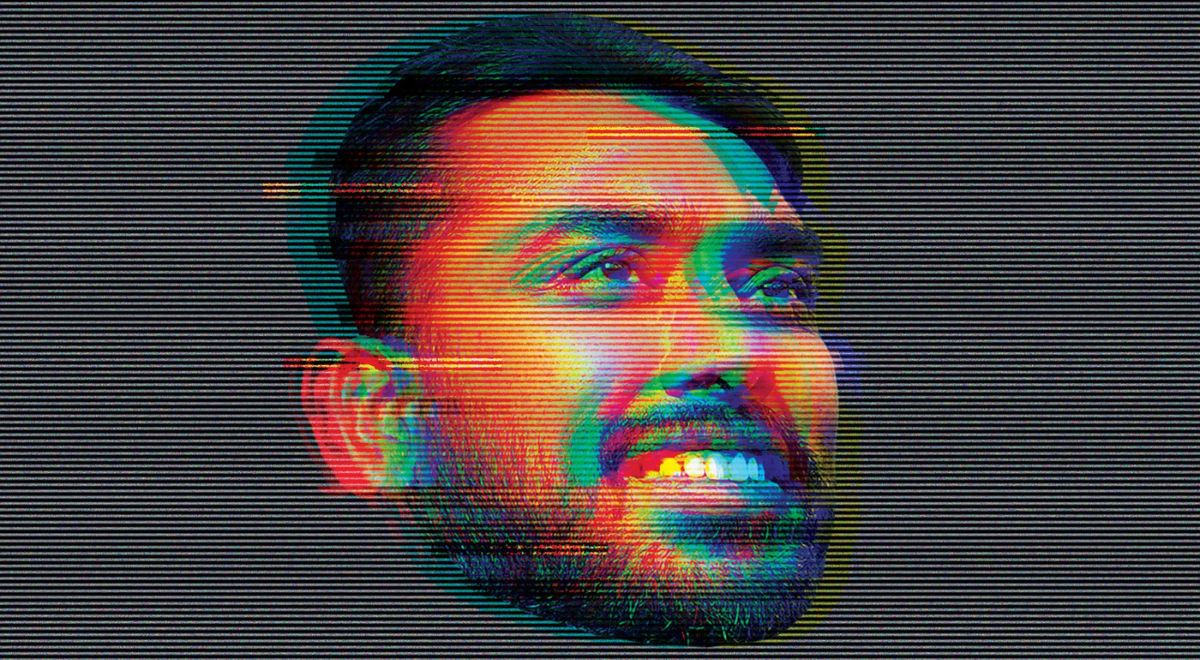
In March 2021, the art world witnessed a seismic moment: a purely digital artwork — a collage titled “Everydays: the First 5000 Days” — sold for $69.3 million at the prestigious Christie’s auction house in New York. The sale wasn’t a traditional painting or sculpture, but an NFT — a non‑fungible token — that exists entirely as data on a blockchain. The buyer was a Singapore‑based cryptocurrency entrepreneur known by the pseudonym MetaKovan.
A Landmark Sale and a New Art Paradigm
The digital artwork was created by American digital artist Mike Winkelmann, better known as Beeple. The piece is a mosaic of 5,000 images that the artist produced one per day over more than a decade. That relentless creative discipline alone was remarkable — but its auction price was historic: the most expensive NFT ever sold and one of the highest auction results for a living artist.
For many traditional art collectors, the idea that a JPEG‑like digital image could fetch a price historically reserved for the greatest physical works of art was unfathomable. Yet the sale marked a turning point: digital art could command serious money — and serious cultural attention.
Why He Bought It: A Vision of Digital Ownership
Back at the time of the sale, MetaKovan explained his motivation wasn’t simply speculation — he saw NFTs as fundamentally superior to traditional art ownership. In a podcast interview around the sale, he argued that NFTs were “ten times better” than physical art because of their digital nature and the blockchain’s ability to verify authenticity and provenance automatically.
This idea was radical for some: a digital file, free for anyone to view online, could nonetheless carry exclusive ownership and status, secured by blockchain technology. MetaKovan believed this digital ownership model was the future of art — one where art is not locked in vaults or museums, but living and traded freely in the digital realm.
Market Backlash and Correction
The years that followed were a roller‑coaster. After the meteoric rise of NFTs in 2021, demand and trading volumes dipped sharply by around mid‑2022, with some segments of the market shrinking by as much as 90 % from their peak. This was partly because early hype and speculative frenzy cooled, and many high‑profile collections saw prices fall significantly from their all‑time highs.
Still, rather than abandoning the space, MetaKovan doubled down on his belief in the potential of digital art and blockchain culture. By late 2025, he had channeled his enthusiasm into launching a new art‑and‑technology space in Singapore called Padimai Art & Tech Studio, aiming to explore the intersection of art, virtual reality and decentralised digital experiences — showing that his vision goes beyond speculative price tags to real cultural infrastructure for digital creativity.
Looking Beyond Speculation
Five years on, the story of that $69 million NFT is no longer just about a staggering price. It’s a landmark chapter in how art can be valued, owned, and experienced in a networked digital age. For believers like MetaKovan, NFTs aren’t a passing fad; they’re a new asset class of cultural expression — a way to democratise access and break down barriers between artists and audiences worldwide.
While skeptics still question the sustainability of prices and hype, proponents point to digital innovations, community‑driven marketplaces and evolving creative practices as signs that the digital‑art ecosystem is maturing, not collapsing. And for those who saw the $69 million sale as a once‑in‑a‑lifetime spectacle, the subsequent evolution of the space is proving to be the real story.