
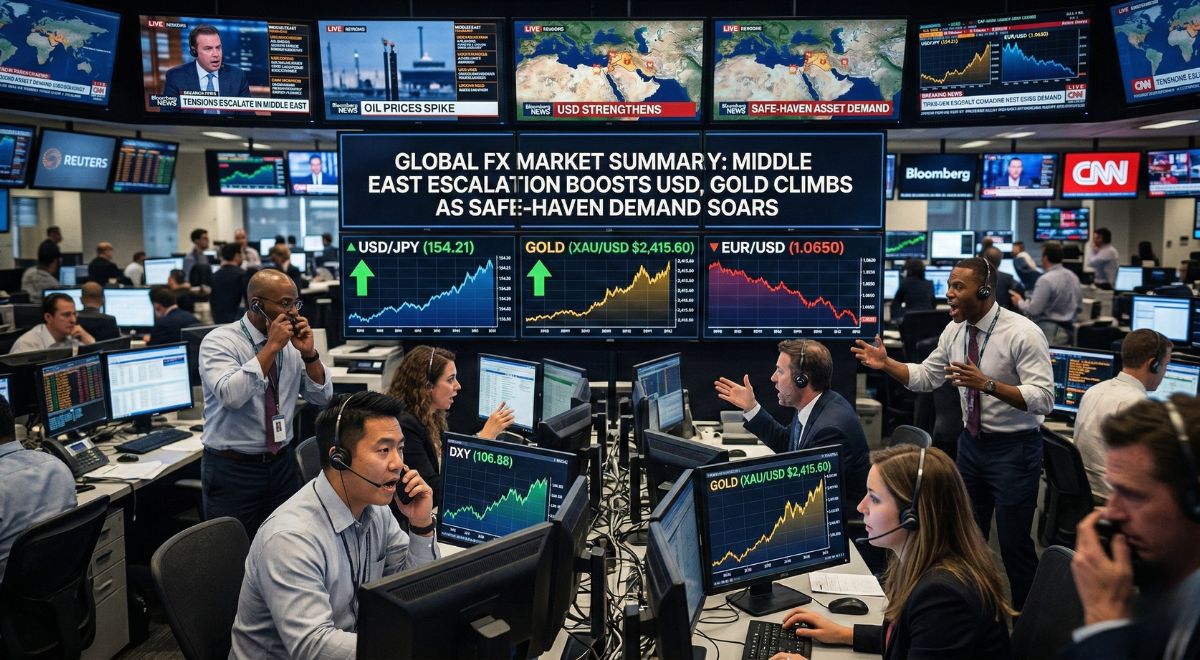
Rising geopolitical tensions in the Middle East have sent shockwaves across global financial markets, driving investors toward traditional safe-haven assets. The renewed escalation, involving heightened military activity between United States, Israel, and Iran, has intensified uncertainty across energy markets, equities, and foreign exchange (FX) trading.
As a result, the U.S. dollar surged broadly, while gold prices climbed sharply, reflecting a strong wave of defensive positioning among global investors.
U.S. Dollar Strengthens Across the Board
The U.S. dollar (USD) emerged as the primary beneficiary of the market turmoil. The greenback gained against major currencies including the euro, British pound, and several emerging-market units, as traders sought liquidity and stability.
Historically, the dollar serves as the world’s dominant reserve currency and tends to strengthen during times of crisis. With rising concerns over potential disruptions to oil supply routes and broader regional instability, capital flows shifted toward U.S.-denominated assets, reinforcing the currency’s upward momentum.
Safe-haven demand was particularly evident in USD pairs involving risk-sensitive currencies, such as commodity-linked and emerging-market currencies, which faced downward pressure amid fears of prolonged conflict.
Gold Rallies on Safe-Haven Demand
Gold prices also rallied significantly as investors sought protection against volatility and geopolitical risk. The precious metal, long regarded as a store of value during times of uncertainty, benefited from both safe-haven flows and inflation hedging demand.
Concerns over potential energy price spikes, especially if tensions affect oil transit routes in the Gulf region, have increased inflation expectations in some markets. This added further support to bullion prices, as gold traditionally performs well during periods of rising geopolitical and inflationary uncertainty.
Oil Market Volatility Adds to FX Swings
The Middle East remains central to global energy supply, and any escalation in the region often translates into oil price volatility. Sharp movements in crude prices contributed to swings in oil-linked currencies such as the Canadian dollar and Norwegian krone.
Market participants are closely monitoring strategic waterways and infrastructure in the Gulf, where even temporary disruptions could impact global supply chains and amplify inflationary pressures worldwide.
Risk Assets Under Pressure
Equity markets across Asia, Europe, and parts of the Middle East traded lower as investors reduced exposure to risk assets. Meanwhile, traditional safe-haven currencies like the Japanese yen and Swiss franc saw moderate inflows, though the U.S. dollar remained the dominant refuge.
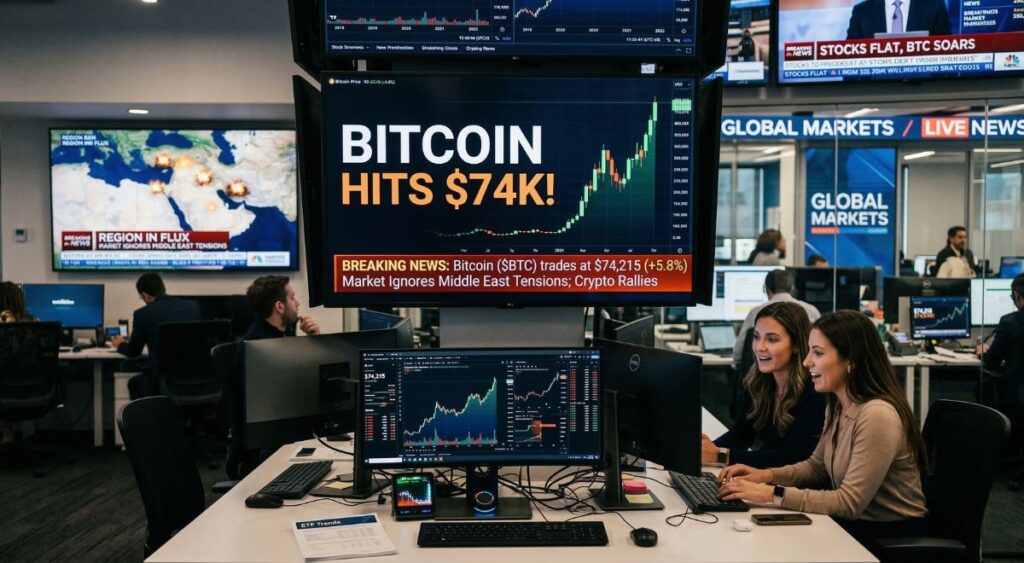
Cryptocurrencies showed mixed reactions, highlighting ongoing debate over whether digital assets can consistently function as crisis hedges compared to traditional safe-haven instruments like gold.
Outlook: Volatility Likely to Persist
Looking ahead, FX markets are expected to remain highly sensitive to headlines from the region. Traders will focus on diplomatic developments, military movements, and potential policy responses from major central banks.
If tensions escalate further, the U.S. dollar and gold could extend gains. However, any signs of de-escalation may trigger a sharp reversal, particularly in risk-sensitive currencies that have recently come under pressure.
For now, the global FX landscape reflects a classic risk-off environment — characterized by dollar strength, rising gold prices, and heightened market volatility as investors navigate an increasingly uncertain geopolitical backdrop.