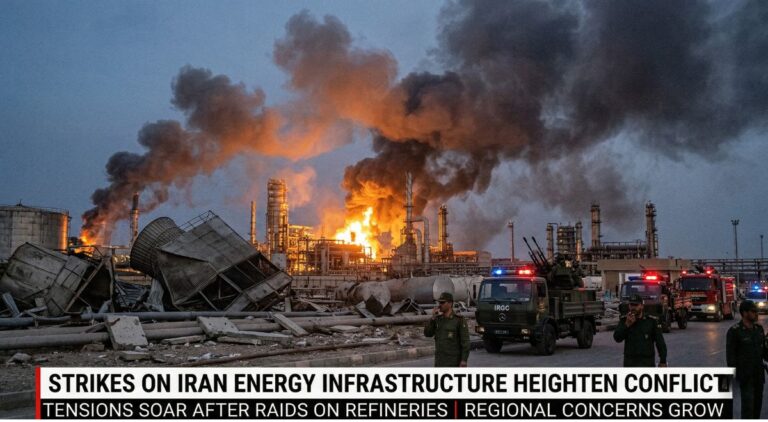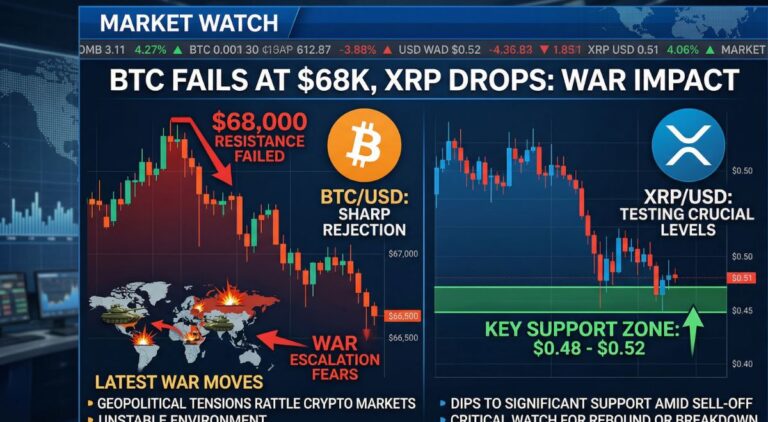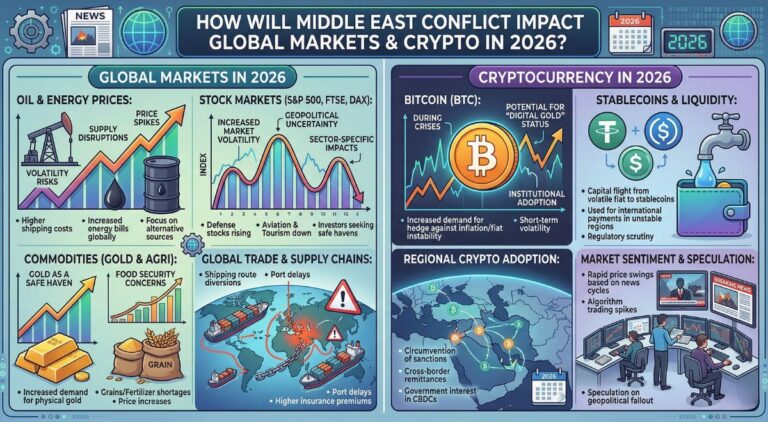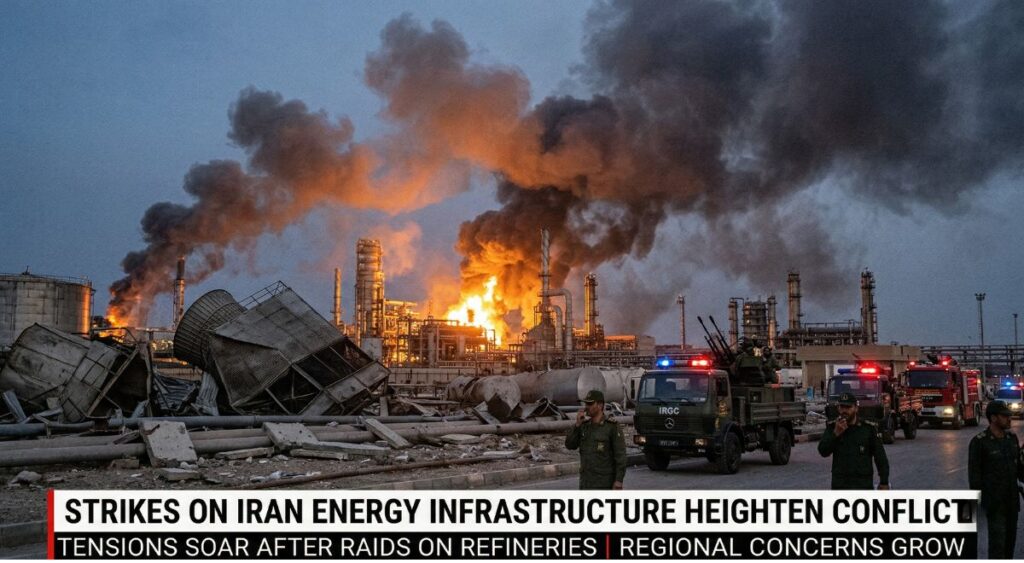

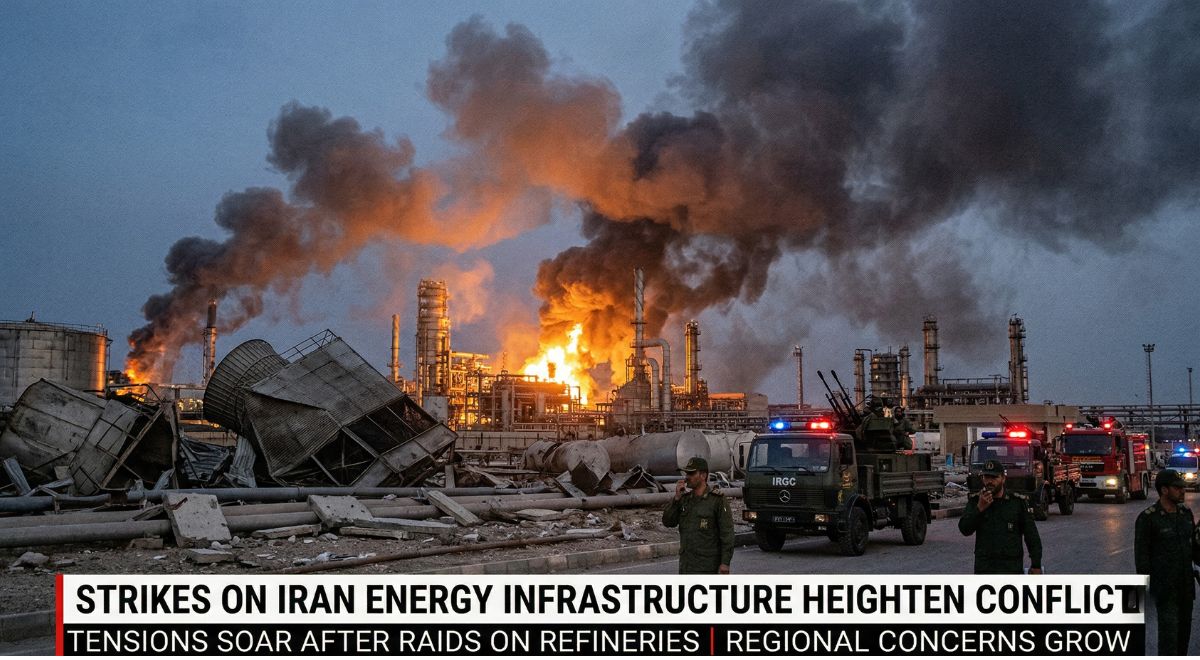
The ongoing Iran war has entered a dangerous new phase as both sides increasingly target critical energy infrastructure—transforming the conflict from a primarily military confrontation into a broader economic and geopolitical crisis. Strikes on oil fields, gas facilities, and energy transit routes are not only intensifying hostilities but also threatening global energy stability.
Shift Toward Strategic Energy Targets
What began as targeted military operations has rapidly evolved into attacks on vital energy assets. Reports indicate that key facilities such as Iran’s South Pars gas field—the world’s largest natural gas reserve—have been struck, prompting swift retaliation from Tehran against regional energy sites.
In response, Iran has expanded its target list beyond domestic infrastructure, hitting major energy facilities in neighboring Gulf countries. Notably, strikes on Qatar’s Ras Laffan Industrial City—home to one of the world’s largest LNG export hubs—caused significant damage and disrupted global supply chains.
This escalation signals a deliberate shift: energy infrastructure is no longer collateral damage—it is now a central battlefield.
Regional Escalation and Global Risk
The targeting of energy assets has widened the scope of the conflict far beyond Iran’s borders. Gulf nations, many of which host critical oil and gas infrastructure, now face direct threats. Iran has warned that any further attacks on its facilities could trigger “uncontrollable consequences,” raising fears of a region-wide escalation.
At the same time, the Strait of Hormuz—a chokepoint through which nearly 20% of the world’s oil passes—has become increasingly unstable. Disruptions to tanker traffic have already reduced energy flows, amplifying concerns about supply shortages.
Economic Shockwaves and Energy Crisis
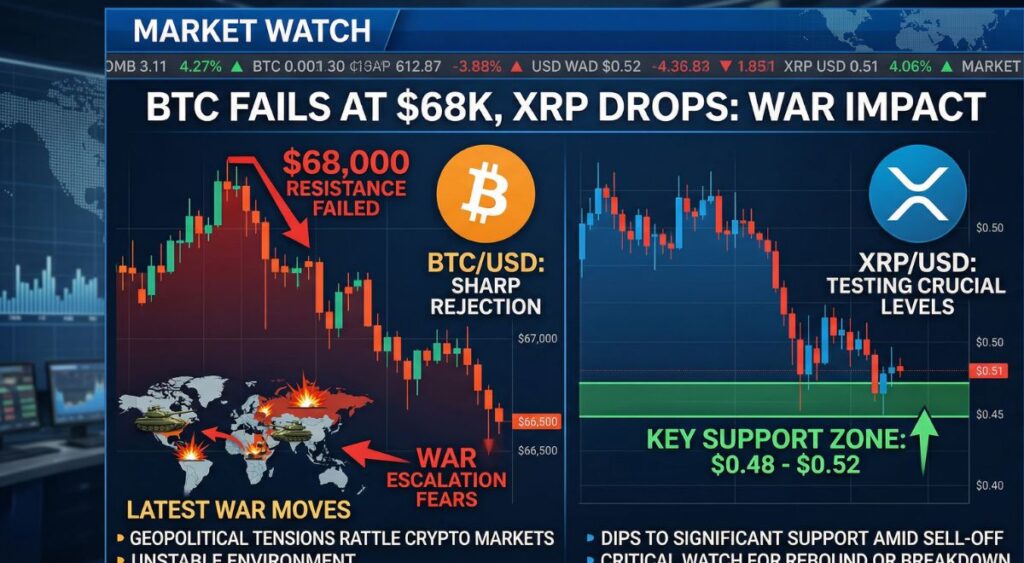
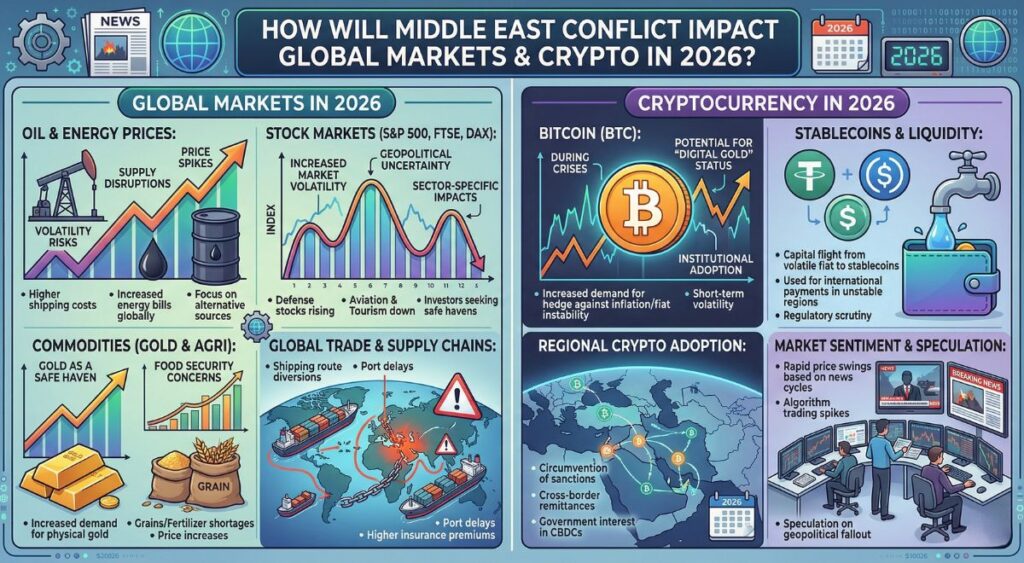
The impact of these strikes is being felt globally. Oil prices have surged sharply amid fears of prolonged supply disruptions.
According to recent reports, the war has triggered a broader energy crisis, forcing countries worldwide to implement emergency measures such as fuel rationing, increased coal usage, and reduced industrial activity.
Analysts warn that the destruction of infrastructure—unlike temporary supply disruptions—could take years to repair, meaning the effects may outlast the conflict itself. This has raised alarms about long-term instability in global energy markets.
A New Type of Warfare
The deliberate targeting of energy systems marks a shift toward economic warfare. By striking oil and gas infrastructure, both sides aim to weaken each other’s economic backbone while exerting pressure on global markets.
This approach increases the stakes significantly. Damage to interconnected energy networks has already led to reduced electricity generation in countries like Iraq due to disrupted gas supplies, highlighting how deeply regional systems are intertwined.
Uncertain Path Ahead
Despite occasional diplomatic signals, including temporary pauses in planned strikes, the overall trajectory remains escalatory. Continued attacks on energy infrastructure risk triggering a prolonged global energy crisis and deeper geopolitical instability.
As the conflict intensifies, the vulnerability of global energy systems has become starkly evident. Whether through direct destruction of facilities or disruption of transit routes, the war is reshaping not only the Middle East but the future of global energy security.