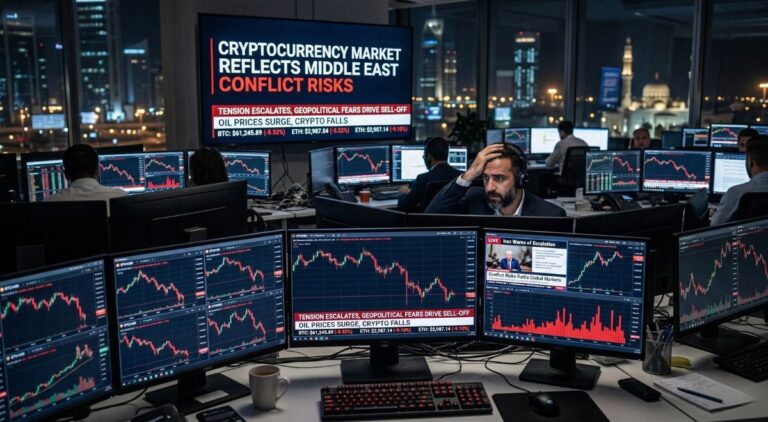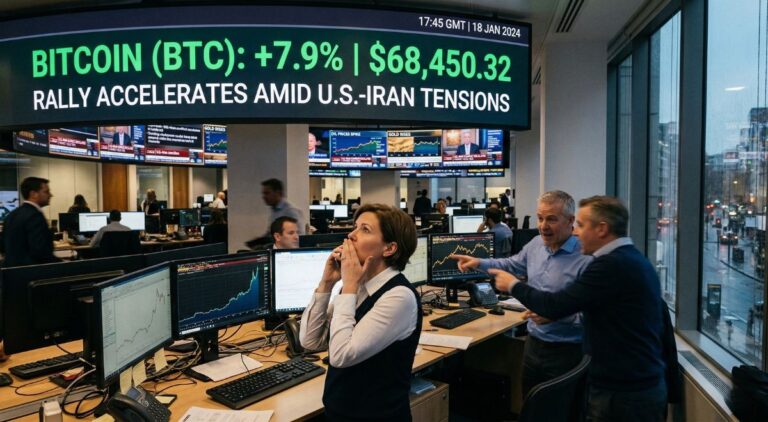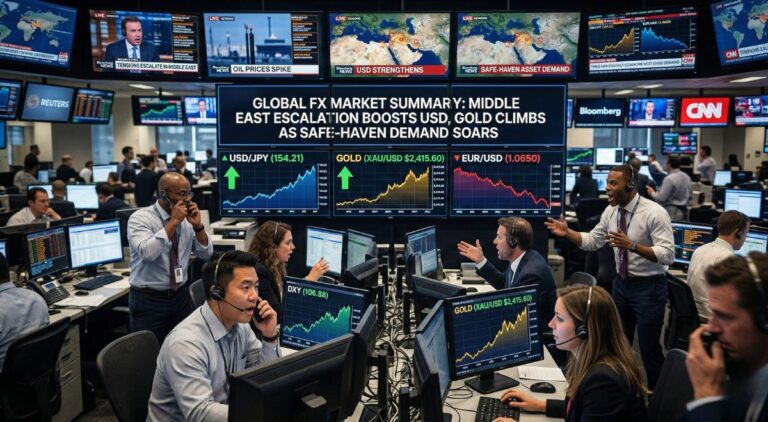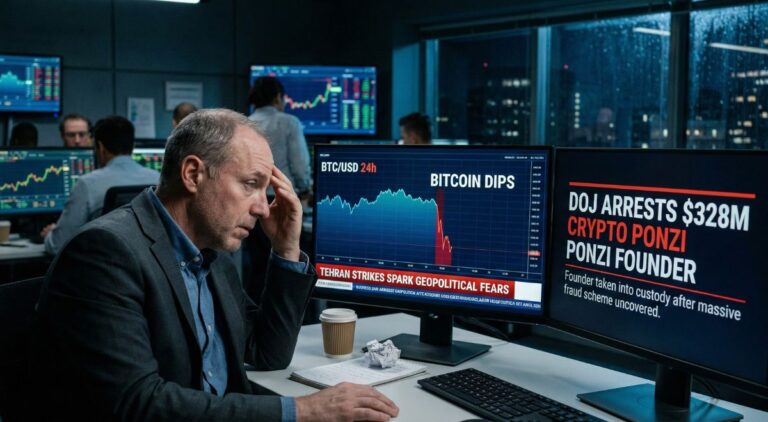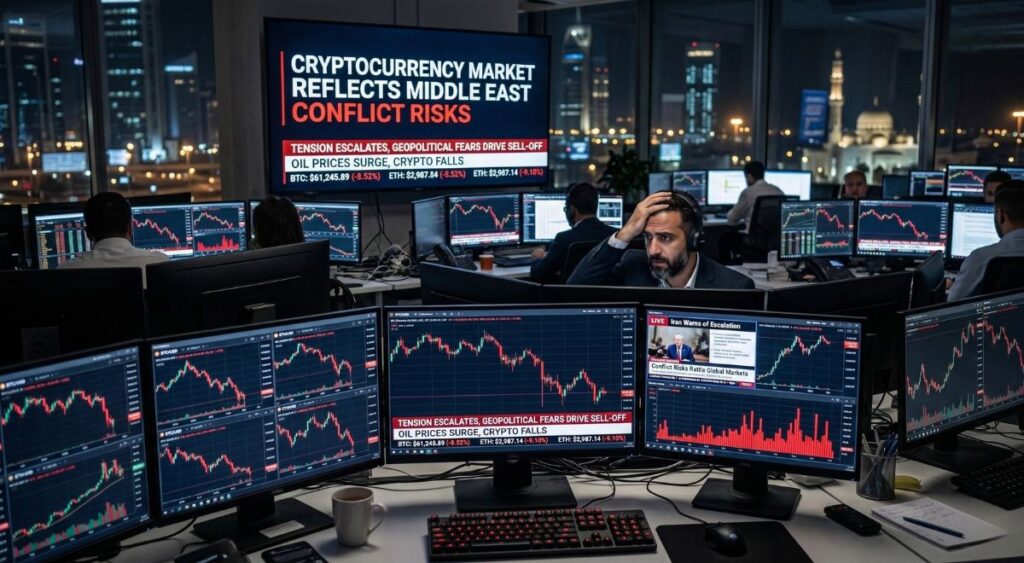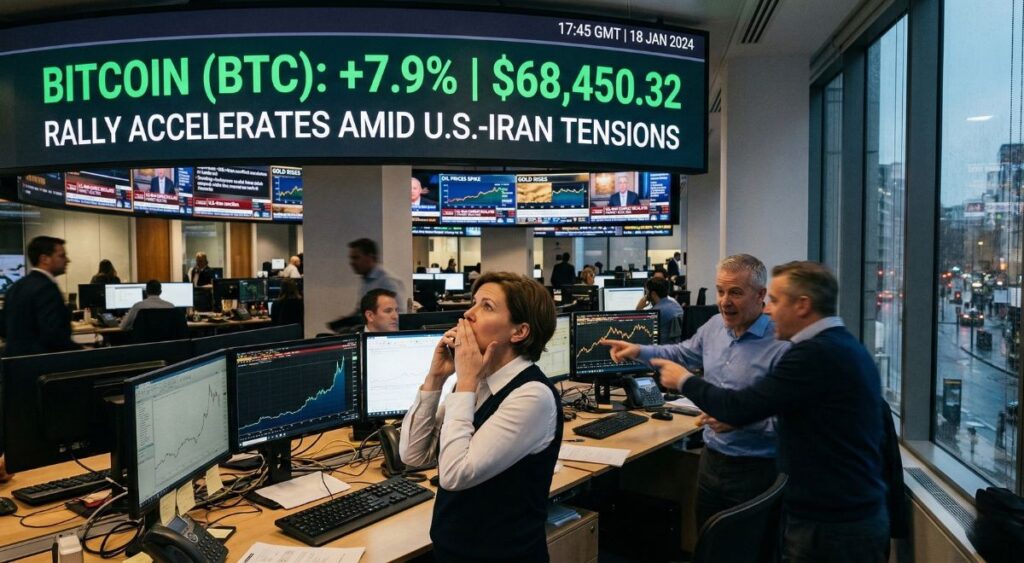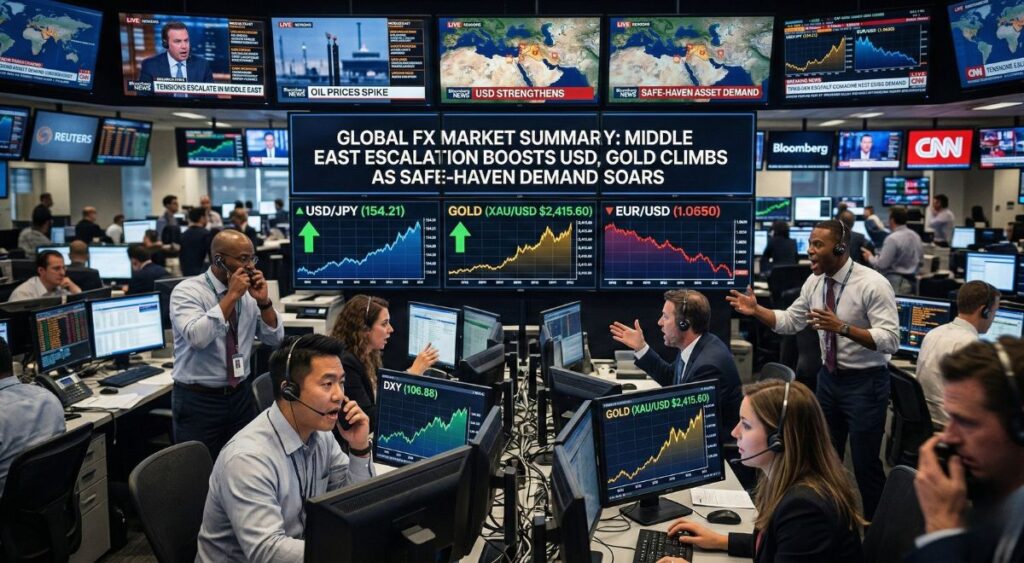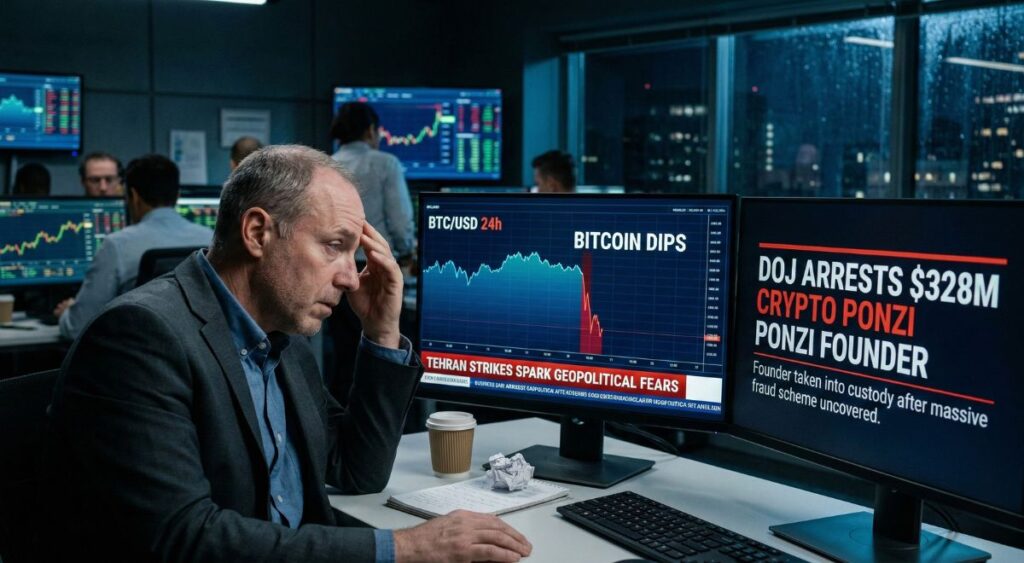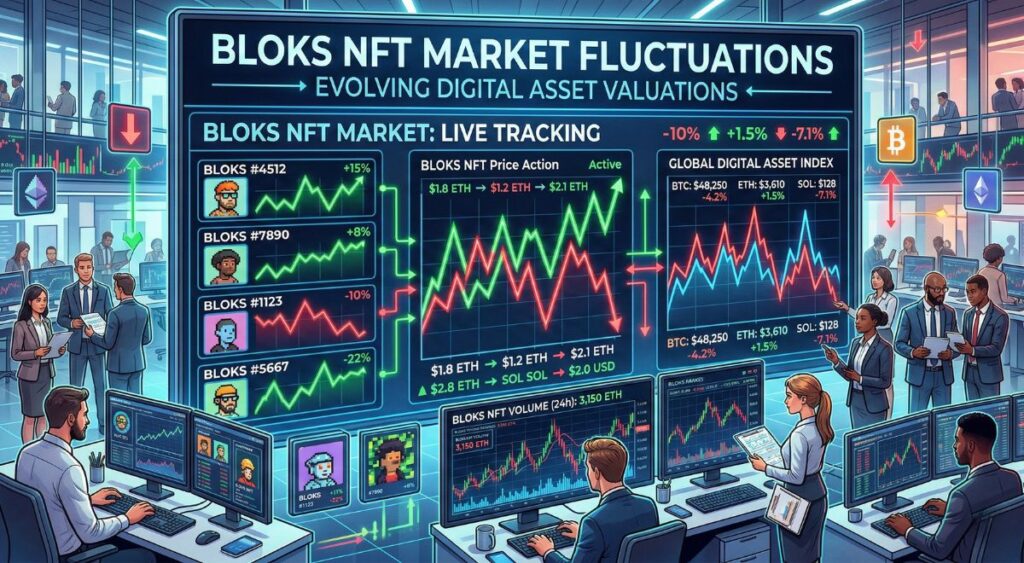

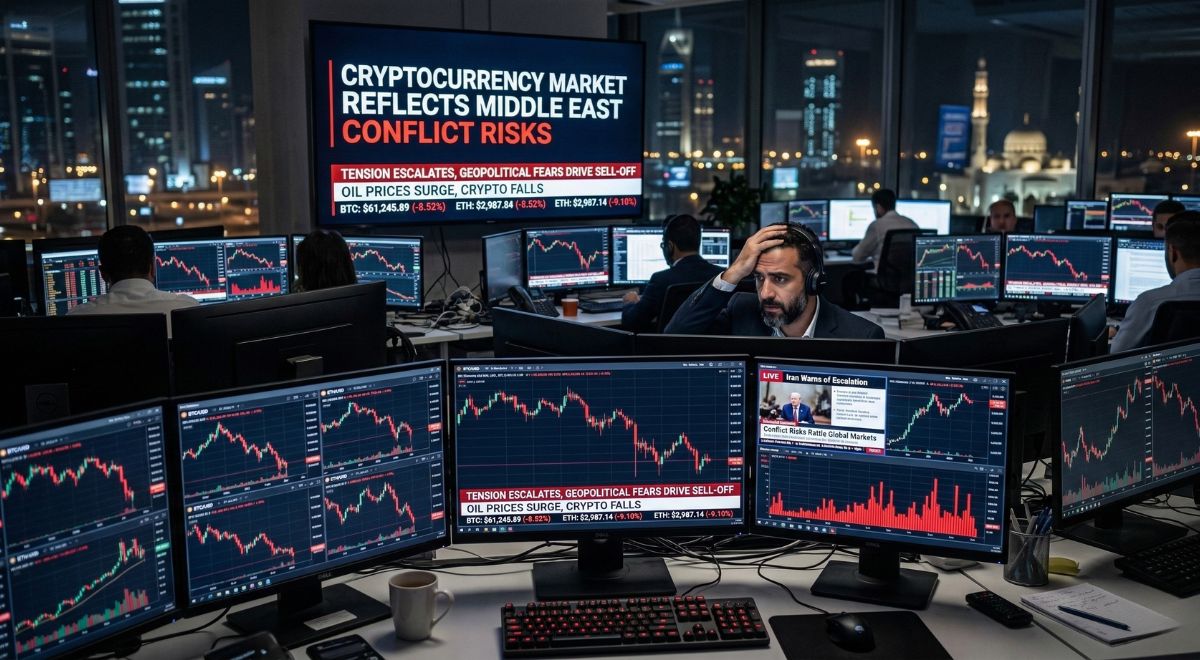
Global financial markets often react quickly to geopolitical instability, and the cryptocurrency market is no exception. As tensions rise across the Middle East, investors around the world are increasingly turning to digital assets as both a hedge against uncertainty and a tool for rapid capital movement. Recent developments in the region have once again highlighted how closely the cryptocurrency market is linked to global political risk.
Rising Geopolitical Tensions and Market Reactions
Conflicts and political instability in the Middle East have historically influenced oil prices, global trade routes, and financial markets. In recent months, renewed tensions have sparked concerns among investors about potential disruptions to global supply chains and energy markets. These uncertainties have led to noticeable movements in cryptocurrency prices and trading volumes.
Digital currencies such as Bitcoin and Ethereum have experienced periods of increased volatility as traders respond to geopolitical developments. When traditional markets face uncertainty, many investors seek alternative assets that operate outside conventional financial systems, and cryptocurrencies often benefit from this shift.
Safe-Haven Narrative Gains Momentum
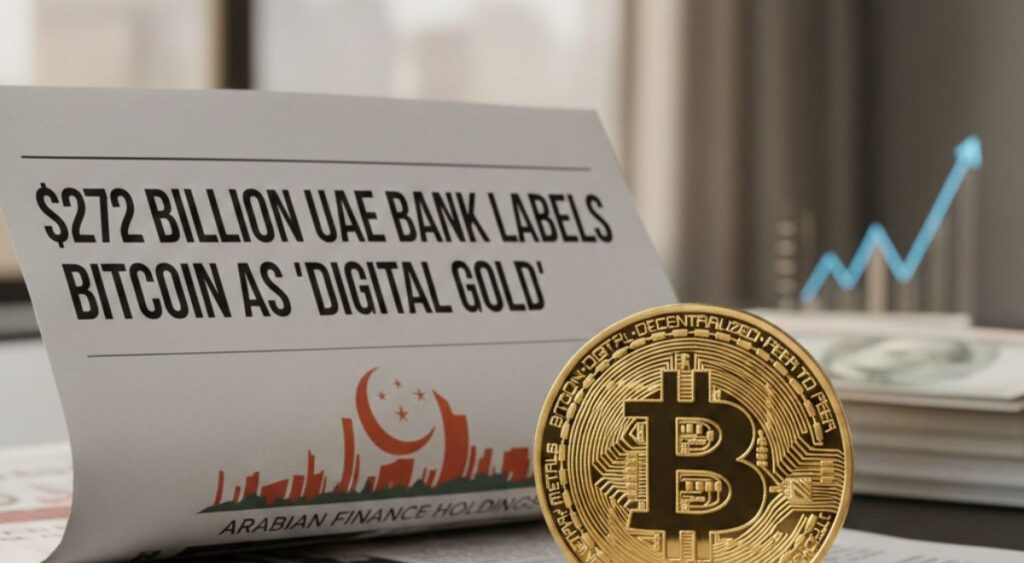
One of the reasons cryptocurrencies attract attention during geopolitical crises is their perceived role as “digital safe havens.” While this narrative remains debated among economists, some investors view decentralized assets as protection against currency devaluation, capital controls, or banking restrictions that can arise during conflicts.
In regions experiencing financial instability, individuals may use cryptocurrencies to preserve wealth or transfer funds across borders quickly. Because blockchain-based transactions do not rely on centralized banking systems, digital assets can offer a level of financial flexibility during times of crisis.
Increased Trading Activity in the Region
Reports from major exchanges indicate spikes in trading activity whenever geopolitical tensions escalate. Investors in affected regions may convert local currencies into digital assets to avoid sudden devaluations or economic restrictions.
Additionally, traders in global markets often respond to breaking news by reallocating funds into cryptocurrencies, increasing short-term volatility. This reactive trading behavior can lead to sharp price swings within hours of major geopolitical announcements.
Institutional Investors Watching Closely
Large financial institutions are also paying attention to how geopolitical risks influence digital asset markets. Hedge funds and asset managers increasingly include cryptocurrencies in diversified portfolios, partly because of their low correlation with some traditional assets.
However, analysts caution that cryptocurrencies remain highly volatile and can react unpredictably to global events. While some investors treat them as safe havens, others view them primarily as speculative assets that amplify market sentiment.
A Market Shaped by Global Events
The relationship between geopolitical conflict and cryptocurrency markets illustrates how digital assets have become integrated into the global financial ecosystem. Events in the Middle East, which influence energy markets, trade routes, and political stability, now also ripple into the world of decentralized finance.
As conflicts evolve and geopolitical tensions shift, cryptocurrency markets will likely continue reflecting investor sentiment, risk perception, and the growing role of digital assets in global finance. For traders and policymakers alike, understanding this connection has become increasingly important in a world where financial systems are more interconnected than ever.