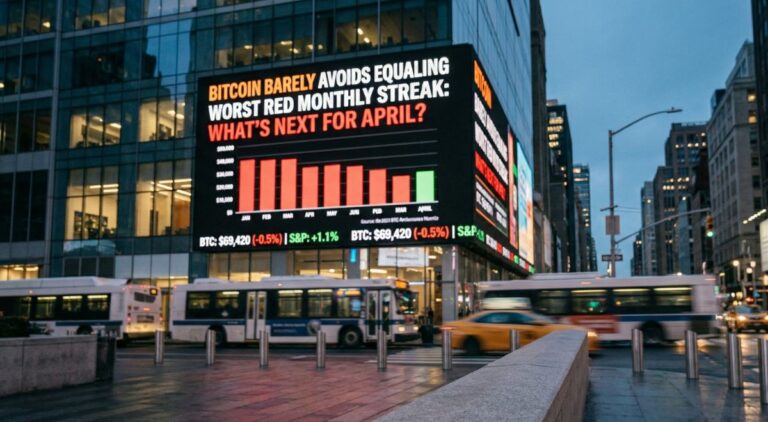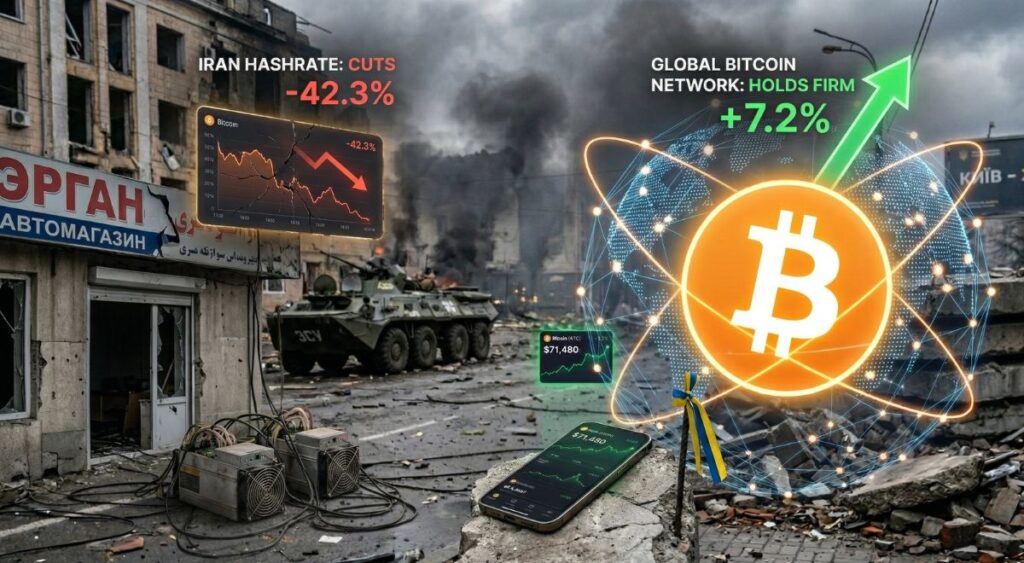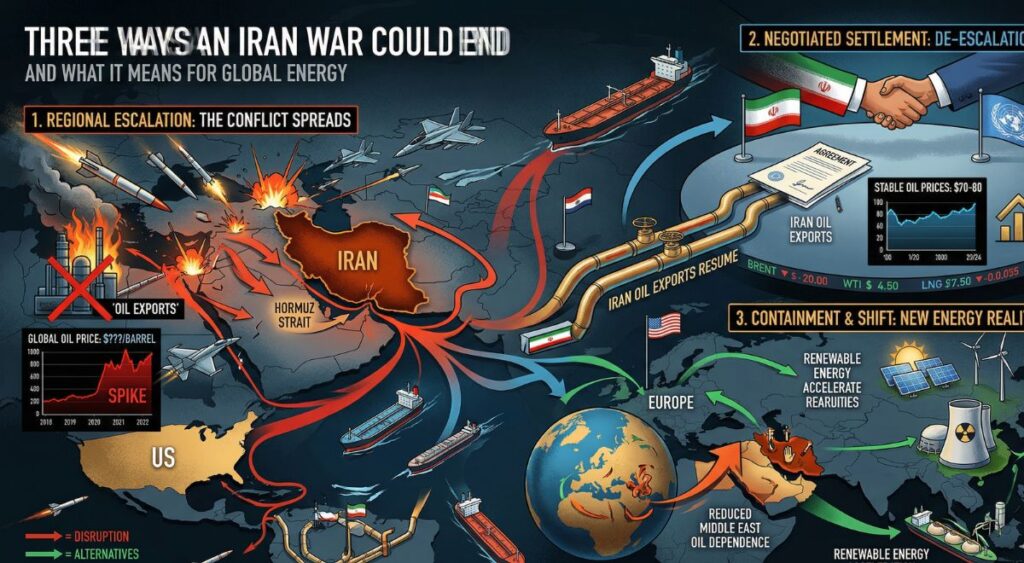


Global financial markets are reacting sharply to the latest escalation in Middle East tensions. As military strikes intensify across the region, crude oil prices are surging toward the $100 per barrel level, while Bitcoin is experiencing renewed upward momentum. The simultaneous movement of these two assets reflects the growing impact of geopolitics on commodities, digital currencies, and global investor sentiment.
Oil Prices Surge Amid Escalating Middle East Conflict
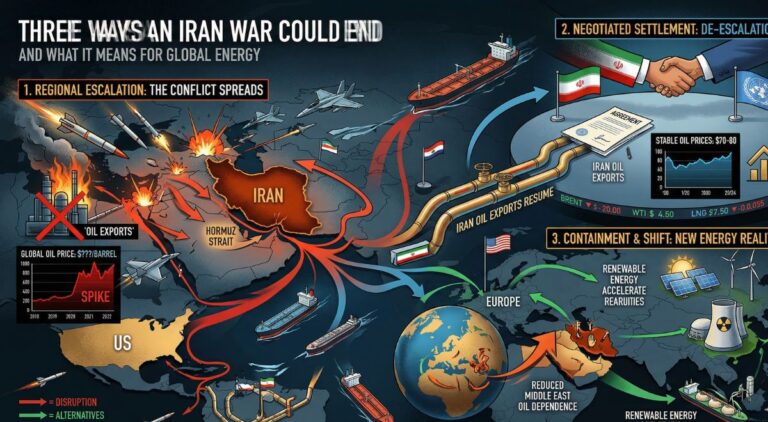
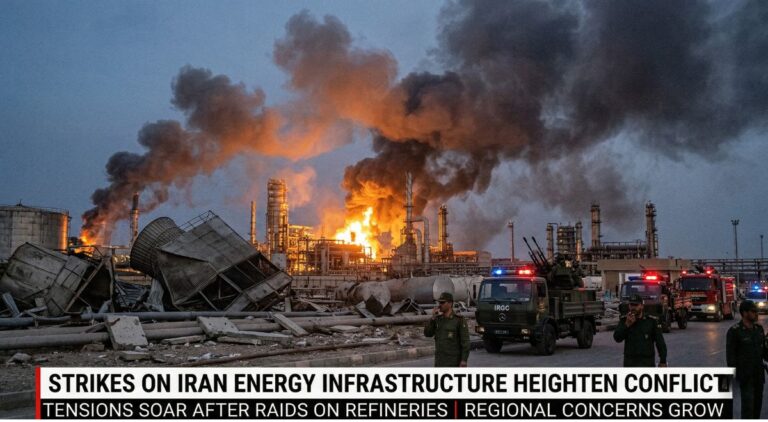
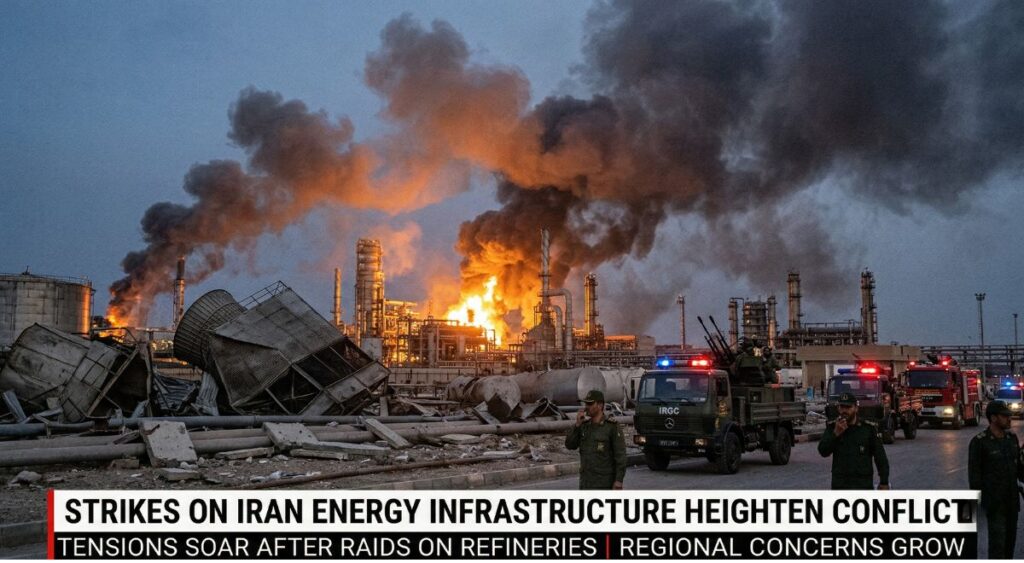
Oil markets are particularly sensitive to instability in the Middle East because the region accounts for a significant share of global energy production and exports. Recent military strikes targeting Iranian assets and infrastructure have sparked fears of supply disruptions, pushing crude oil prices sharply higher.
Traders are especially concerned about potential disruptions to critical shipping routes such as the Strait of Hormuz, through which roughly 20% of the world’s oil supply passes. Any threat to this corridor can quickly trigger a risk premium in oil prices.
As a result, benchmark crude prices have surged toward the $100 mark, reviving concerns about global inflation and energy security.
Bitcoin Shows Resilience During Market Volatility
While geopolitical crises often cause turmoil in financial markets, Bitcoin (BTC) has shown surprising resilience during the latest wave of instability. The cryptocurrency has managed to climb even as traditional markets face volatility and energy prices surge.
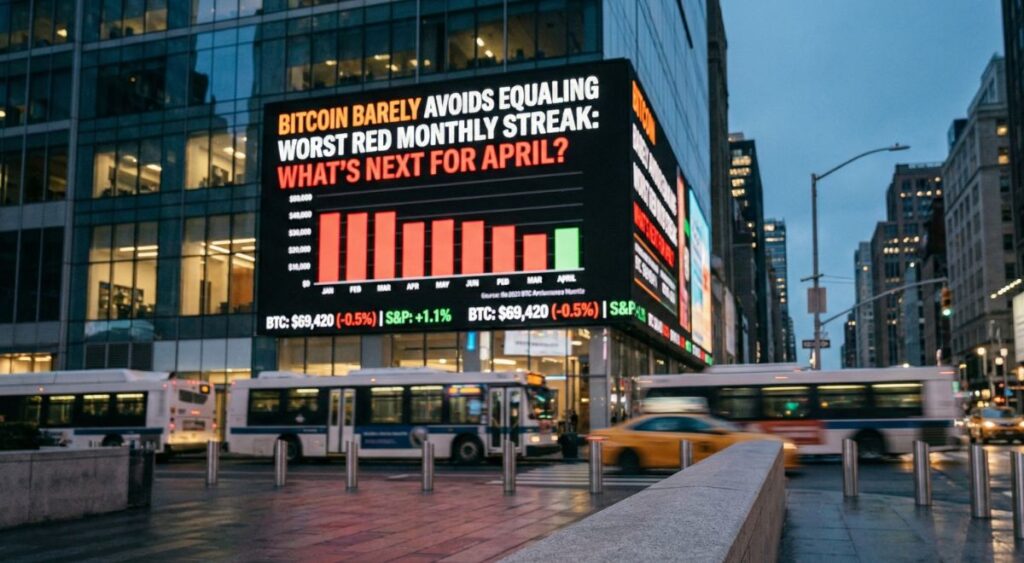
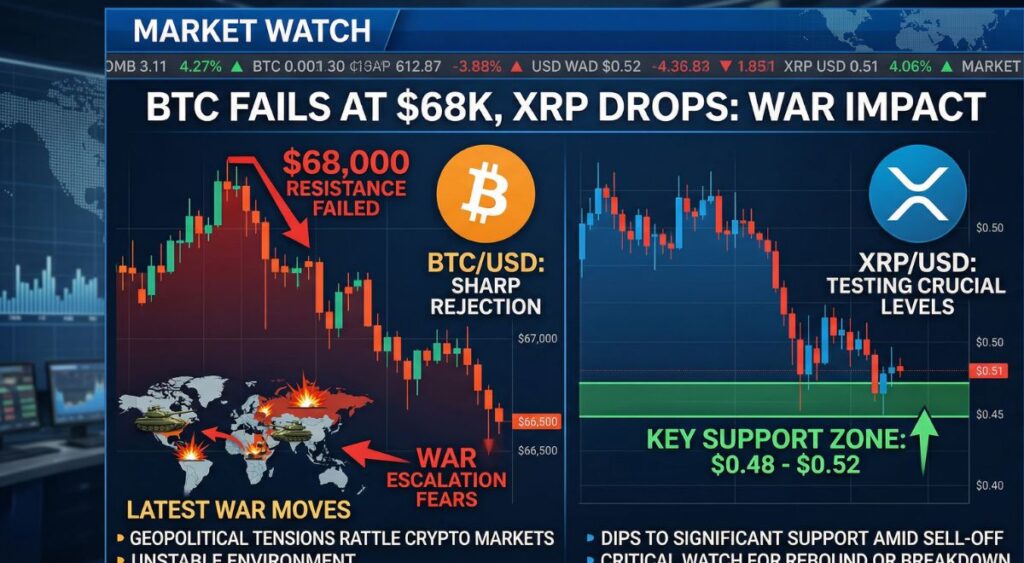
In recent trading sessions, Bitcoin held around the $70,000 level, maintaining strength despite rising oil prices and macroeconomic uncertainty.
Some analysts believe this behavior reflects Bitcoin’s growing reputation as a “digital gold”—an alternative store of value that can attract investors during times of geopolitical uncertainty.
Why Geopolitical Tensions Affect Both Oil and Crypto
The relationship between geopolitical events and financial markets is complex, but several factors explain why both oil and Bitcoin are reacting strongly:
1. Supply Shock in Energy Markets
Military activity in oil-producing regions increases the risk of supply disruptions, which immediately drives up oil prices.
2. Inflation Expectations
Rising energy prices often lead to higher global inflation, which can weaken fiat currencies and increase interest in alternative assets like Bitcoin.
3. Portfolio Diversification
Investors frequently rebalance portfolios during crises. Some shift capital into commodities, while others explore digital assets as a hedge against uncertainty.
Research has shown that Bitcoin can sometimes rise when traditional markets experience shocks, as investors search for alternative investment opportunities.
Global Markets React to Rising Oil Prices
The surge in oil prices is already affecting broader financial markets. Higher energy costs increase production and transportation expenses worldwide, potentially slowing economic growth.
Equity markets have shown mixed reactions, with some sectors—such as airlines and transportation—facing pressure due to rising fuel costs. Meanwhile, energy companies and commodity-linked assets have benefited from the rally in crude prices.
At the same time, Bitcoin’s performance highlights how digital assets are increasingly integrated into global macroeconomic trends.
Is Bitcoin Becoming a Safe-Haven Asset?
One of the biggest debates among analysts is whether Bitcoin truly behaves like a safe-haven asset during geopolitical crises.
Historically, traditional safe havens such as gold and U.S. Treasury bonds attract investors during periods of uncertainty. Bitcoin, however, has displayed mixed behavior. In some crises it falls alongside risk assets, while in others it rallies as investors seek decentralized alternatives.
The current market reaction suggests that Bitcoin may be gradually evolving into a macro-sensitive asset—one that reacts not only to crypto-specific developments but also to global political and economic events.
Outlook: Volatility Likely to Continue
Looking ahead, market volatility is likely to remain elevated as geopolitical tensions continue to unfold. The key factors investors are watching include:
- Further military escalation in the Middle East
- Potential disruptions to global oil supply routes
- Central bank responses to rising energy prices and inflation
- Institutional demand for cryptocurrencies like Bitcoin
If the conflict intensifies or threatens major energy infrastructure, oil could remain above $100, which would likely continue influencing global markets—including the cryptocurrency sector.