
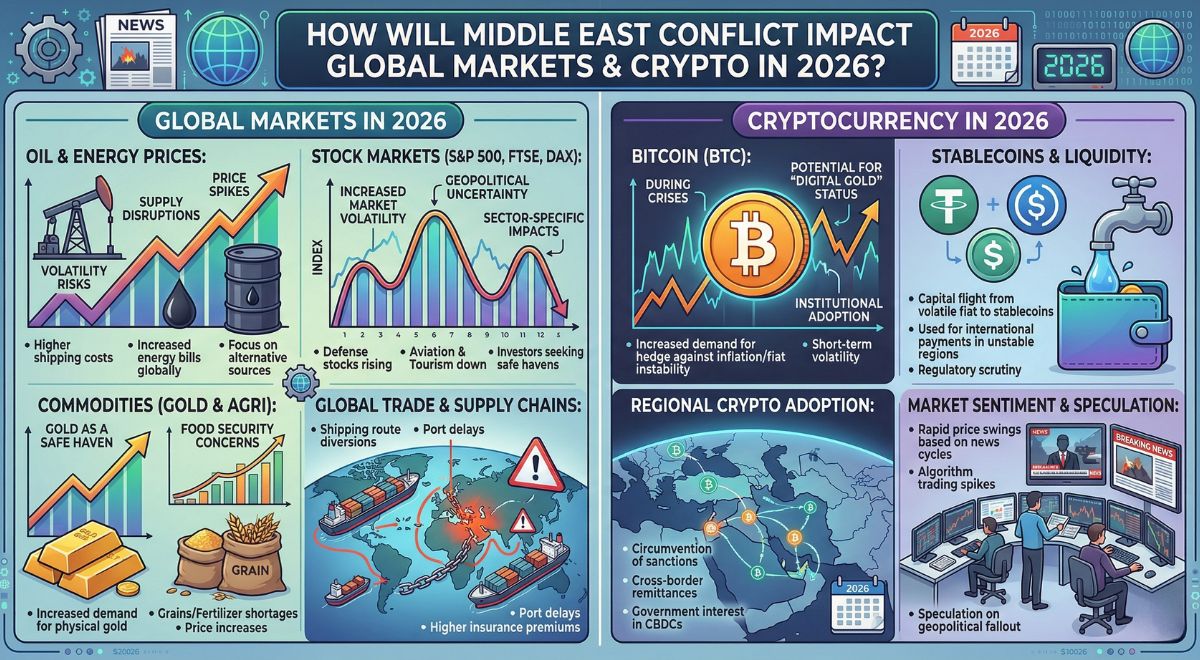
Rising geopolitical tensions in the Middle East have once again placed global markets on edge. As the region remains a critical hub for energy supply and international trade routes, any escalation in conflict during 2026 could ripple across financial systems worldwide. From oil prices to cryptocurrencies, the effects are likely to be both immediate and far-reaching.
Oil Prices and Energy Markets
The Middle East accounts for a significant share of global oil production, with countries like Saudi Arabia, Iran, and Iraq playing key roles. In times of conflict, supply disruptions or even the threat of them can drive oil prices sharply higher.
A spike in crude oil prices typically leads to:
- Increased inflation globally
- Higher transportation and production costs
- Pressure on emerging economies that rely on oil imports
In 2026, even limited disruptions—such as tensions around key shipping routes like the Strait of Hormuz—could push energy markets into volatility, impacting everything from airline stocks to manufacturing sectors.
Stock Markets and Investor Sentiment
Global equity markets tend to react negatively to geopolitical instability. Investors often shift toward safer assets such as gold, U.S. Treasury bonds, and defensive stocks.
Major stock exchanges, including those in New York, London, and Tokyo, may experience:
- Short-term sell-offs
- Increased volatility (VIX spikes)
- Sector-specific impacts (energy up, travel down)
Defense and energy companies may see gains, while sectors like tourism and aviation often suffer immediate losses.
Impact on Global Trade and Supply Chains
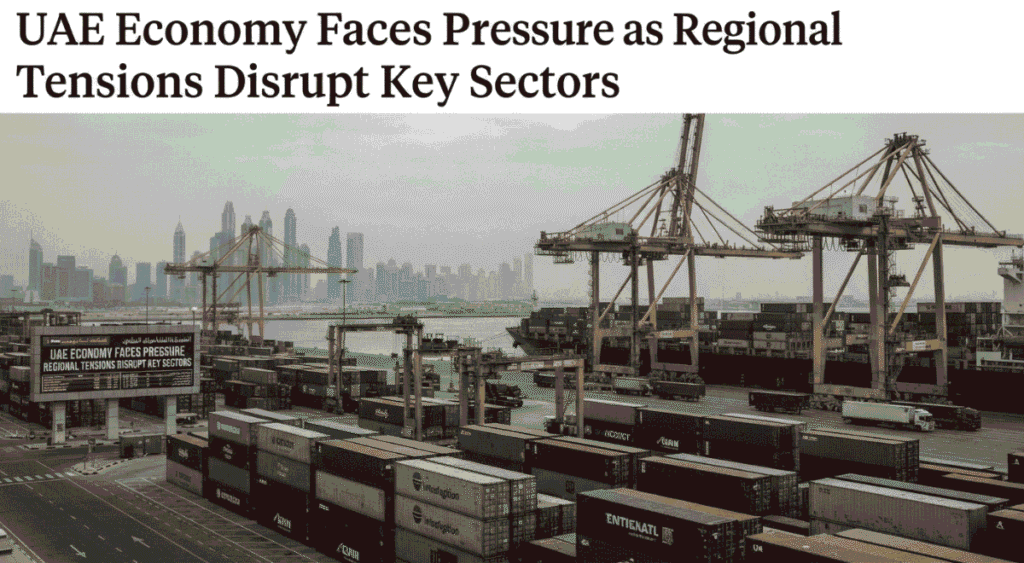
The Middle East is strategically positioned along major trade routes connecting Asia, Europe, and Africa. Any conflict can disrupt shipping lanes, delay cargo, and increase insurance costs for maritime transport.
This could result in:
- Slower global trade flows
- Higher prices for goods
- Supply shortages in critical industries
Countries dependent on imports or exports through the region would feel these disruptions most acutely.
Cryptocurrency: Safe Haven or Risk Asset?
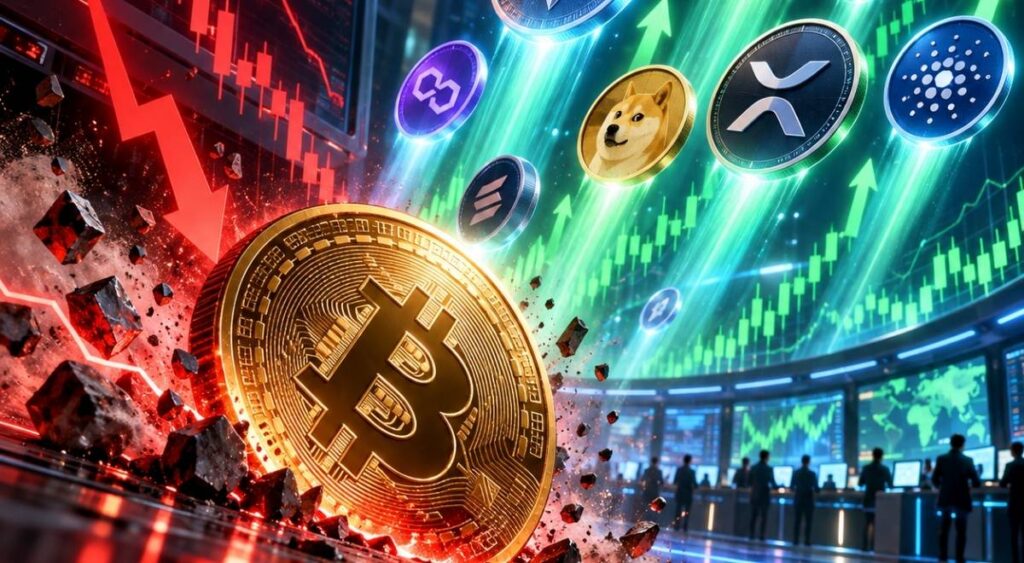
The role of cryptocurrency during geopolitical crises remains complex. Assets like Bitcoin and Ethereum are often seen as alternatives to traditional financial systems, but their behavior is not always predictable.
Potential bullish factors for crypto:
- Increased demand as a hedge against currency devaluation
- Capital flight from unstable regions
- Reduced trust in traditional banking systems
Potential bearish factors:
- Global risk-off sentiment leading to sell-offs
- Liquidity crunches affecting speculative assets
- Regulatory tightening in response to instability
In past crises, crypto has shown mixed behavior—sometimes acting like digital gold, and at other times mirroring high-risk tech stocks.
Currency Markets and Inflation
Geopolitical tensions often strengthen the U.S. dollar as a global reserve currency. Meanwhile, currencies in emerging markets may weaken due to capital outflows.
At the same time:
- Inflation may rise globally due to higher energy costs
- Central banks may delay rate cuts or even tighten policy
- Currency volatility could increase in oil-importing nations
Long-Term Economic Shifts
If conflicts persist into late 2026, longer-term structural changes may occur:
- Countries accelerating energy diversification (renewables, nuclear)
- Increased military spending globally
- Shifts in alliances and trade partnerships
These changes could redefine global economic dynamics for years to come.