
Once hailed as the future of digital creativity, NFT art burst onto the global stage with explosive energy. Artists became overnight millionaires, collectors rushed to own unique digital assets, and headlines proclaimed a revolution in how art was created, sold, and valued. But just a few years later, the buzz has faded, trading volumes have dropped, and many are asking a haunting question: whatever happened to NFT art?
The Rise of a Digital Revolution
NFTs—non-fungible tokens—emerged as a groundbreaking way to authenticate digital art using blockchain technology. Unlike traditional digital files that could be copied endlessly, NFTs offered proof of ownership and originality.
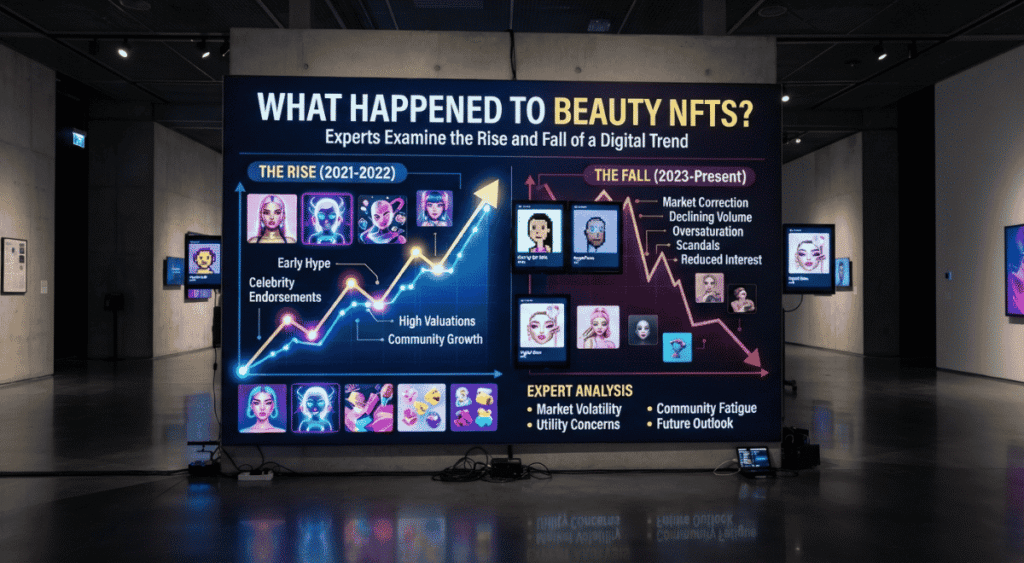
Between 2020 and 2022, the NFT market reached unprecedented heights. Iconic sales, such as Beeple’s digital artwork sold for $69 million, symbolized a new era where digital creators finally gained recognition and financial power. Platforms like OpenSea, Rarible, and Foundation became global marketplaces, attracting artists, investors, and tech enthusiasts alike.
For many, NFTs represented freedom from traditional art institutions, galleries, and intermediaries. It was not just art—it was a cultural movement.
The Crash After the Hype
However, the NFT boom was built largely on speculation and hype. As cryptocurrency markets declined, NFT prices followed. By 2023, trading volumes had plummeted, and many projects lost most of their value.
Several factors contributed to this decline:
- Market Saturation: Millions of NFTs flooded the market, reducing scarcity and demand.
- Speculation Over Art: Many buyers were investors, not art lovers, leading to unstable prices.
- Environmental Concerns: Criticism over blockchain energy consumption damaged public perception.
- Scams and Fraud: Rug pulls, fake projects, and plagiarism eroded trust.
- Economic Uncertainty: Global financial pressures shifted attention away from risky digital assets.
What was once seen as a revolutionary art form began to feel like a passing trend.
The Silent Evolution of NFT Art
Despite the decline in hype, NFT art did not disappear—it evolved. Instead of flashy headlines, the space quietly matured.
Today, NFTs are increasingly integrated into:
- Gaming and Metaverse Worlds
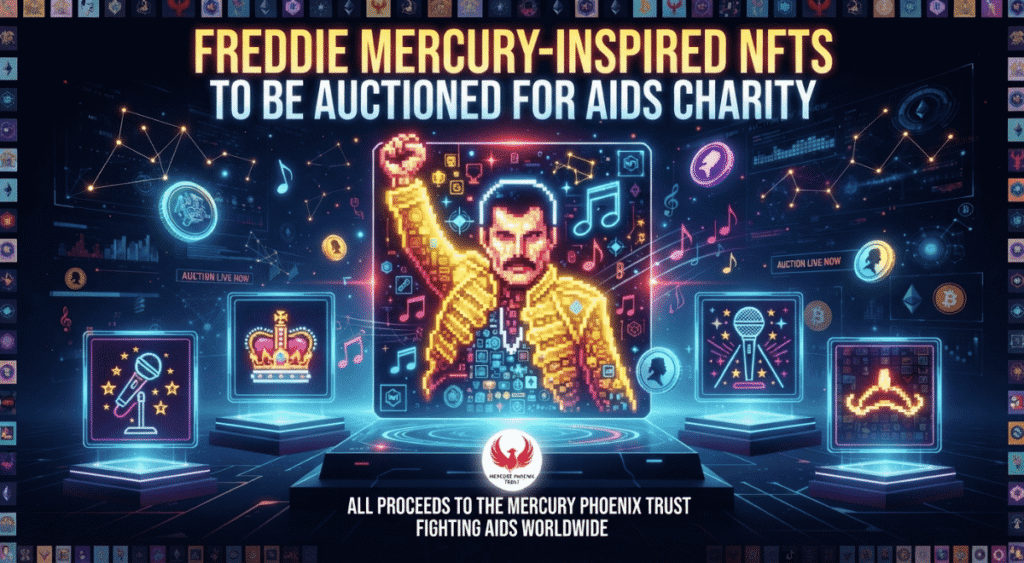
- Music and Entertainment
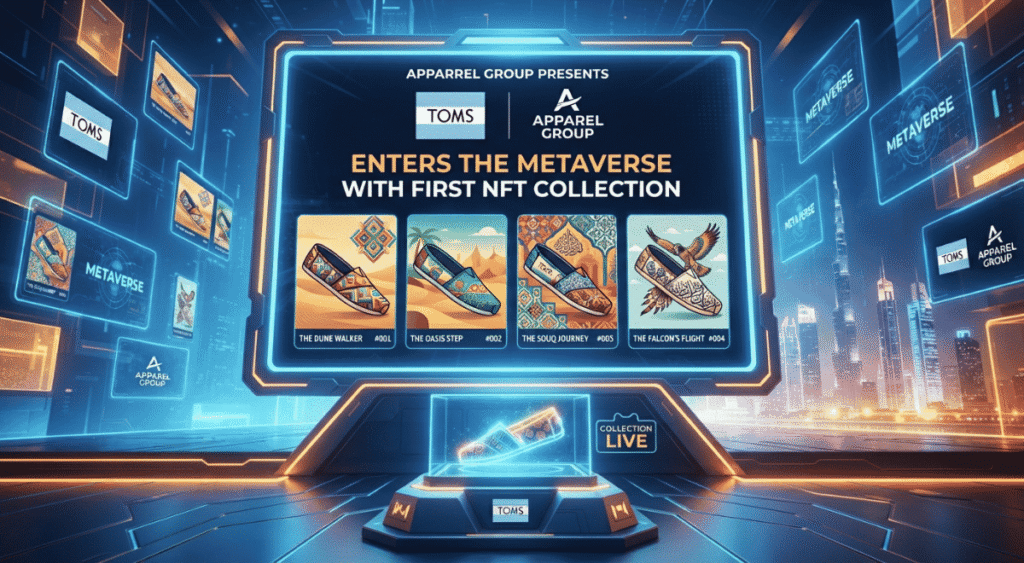
- Brand Experiences and Digital Collectibles
- Real-World Asset Tokenization
- Artist Communities and Membership Models
Many artists now use NFTs not just to sell art, but to build long-term relationships with fans. Brands and institutions are experimenting with blockchain-based authenticity and digital ownership beyond speculation.
Lessons Learned from the NFT Era
The rise and fall of NFT art revealed important truths about technology, creativity, and human behavior. It showed that innovation can move faster than understanding, and hype can overshadow real value.
NFTs taught the world that digital art can be valuable, but only when supported by genuine creativity, utility, and community—not just speculation.
The Future: End or Rebirth?
So, whatever happened to NFT art?
It didn’t die—it transformed. The era of quick profits may be over, but the foundational idea of digital ownership remains powerful. As blockchain technology matures and practical use cases emerge, NFT art may experience a quieter, more sustainable rebirth.
The story of NFT art is not a simple tale of success or failure. It is a story of the unknown—where innovation meets reality, and where the future is still being written.