
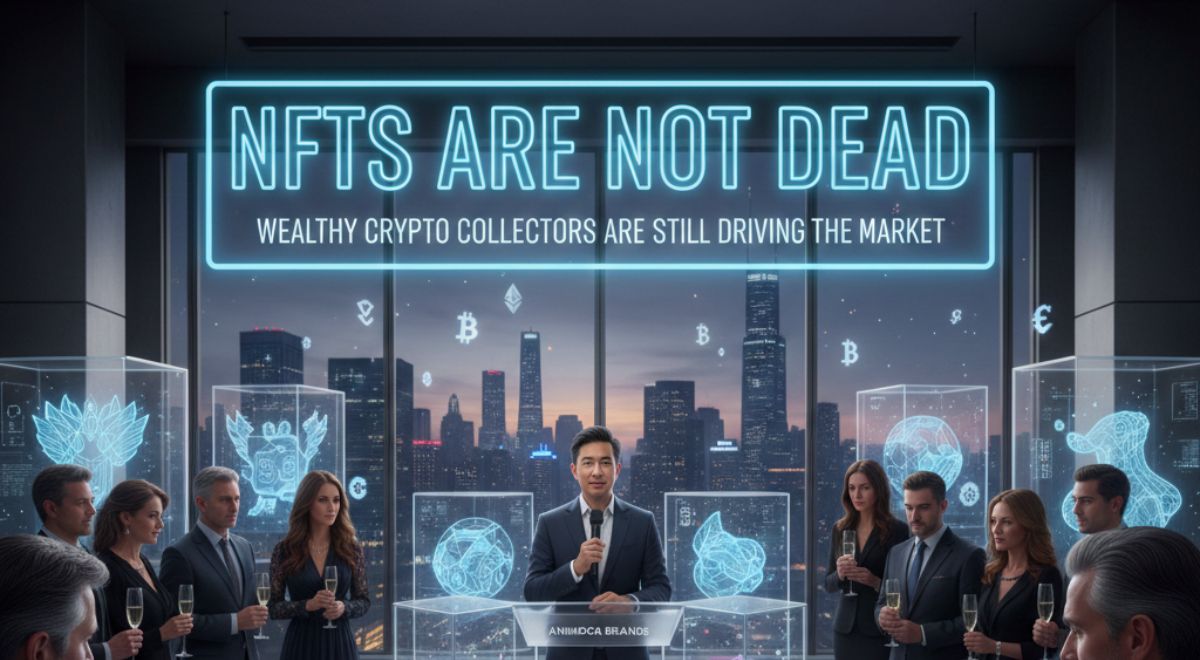
Despite widespread narratives that non-fungible tokens (NFTs) have “died” after the breakout boom of 2021 and 2022, key industry figures are pushing back. Yat Siu, co-founder and executive chairman of Web3 giant Animoca Brands, argues that the NFT market isn’t dying — it’s evolving, and a core group of wealthy collectors is still actively sustaining it.
From Peak Hype to Early Winter — But Not Extinction
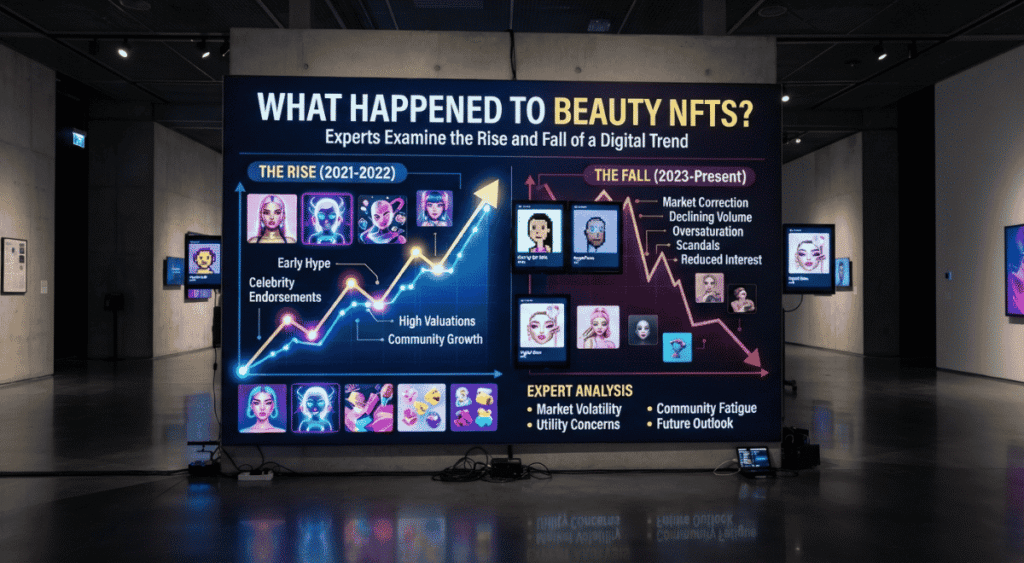
The NFT market has seen significant cooling since its meteoric rise, with trading volumes shrinking from more than $1 billion per month at its peak to around $300 million today. Headlines proclaiming the “death” of NFTs have circulated for years as prices and speculative interest waned. However, Siu and other seasoned insiders say that framing is misleading — it conflates speculative turbulence with foundational collapse.
Siu likens the current NFT landscape to the traditional fine-art market: just as “Picasso collectors” continue to trade and cherish rare paintings regardless of broader economic swings, so too do wealthy digital collectors value NFTs as long-term cultural and aesthetic assets.
A Community of Holders, Not Just Traders
At the CfC St. Moritz crypto conference, Siu emphasized that these high-net-worth buyers are not flipping assets for quick gains. Instead, they are acquiring NFTs to own and hold, cultivating a community much like that of traditional collectors of luxury art, cars, or watches.
This behavioral shift is key: wealthy collectors with deep pockets and long-term perspectives are driving current market activity, counterbalancing the reduction in speculative retail trading. Siu noted that many of these collectors are motivated by cultural participation and digital status — factors that don’t necessarily show up in short-term price charts but are crucial to sustaining demand.
Personal Stakes and Market Perspective
Siu is also an NFT collector himself, and he has been candid about his own portfolio’s performance: despite an approximate 80% decline in value, he remains unbothered because he never intended to flip these assets for profit. Instead, he views them as long-term investments with intrinsic value tied to digital culture and community membership.
This mindset reflects a broader maturation of how NFTs are perceived: from speculative tokens promising rapid gains to digital assets representing cultural capital and ownership in Web3 ecosystems.
Where the Market Goes Next
There are signs that the narrative around NFTs is shifting. While the broader market — including events like the cancellation of NFT Paris — suggests a pullback in mainstream hype, the persistence of high-value trading and collector activity indicates a more stratified but still active market.
Whether this collector-driven base can expand into wider adoption — through utility, gaming, digital identity, or branded experiences — remains a central question for the next phase of NFTs. For now, though, Siu’s view underscores a critical point: NFTs aren’t dead; they’re simply being redefined by those who see value beyond quick flips and price charts.